Menopause nutritional support plays a crucial role in managing the complex physical and emotional changes women experience during menopause. Many women face symptoms such as hot flashes, weight gain, and bone density loss, which can be eased or prevented through targeted dietary strategies. By prioritising nutrition tailored to menopausal needs, women can not only alleviate symptoms but also support long-term health outcomes. This article explores the top nutritional approaches women can adopt during menopause to maintain vitality and well-being throughout this transition.
Understanding Menopause Nutritional Support
The Importance of Targeted Nutrition During Menopause
Menopause marks the end of menstrual cycles, typically occurring between ages 45 and 55. Hormonal shifts, especially declining estrogen levels, affect metabolism, bone density, and cardiovascular health. Menopause nutritional support is essential because it addresses these changes by supplying vital nutrients that compensate for hormonal deficits and support body functions.
Key Nutritional Challenges
During menopause, the basal metabolic rate often decreases, leading to increased fat accumulation, predominantly around the abdomen. Women are also at increased risk for osteoporosis and cardiovascular diseases. Nutritional strategies must focus on managing body composition, maintaining bone health, and reducing chronic disease risks.
Balancing Macronutrients for Menopausal Wellness
Protein Intake to Preserve Muscle Mass
As estrogen declines, loss of muscle mass accelerates, making adequate protein consumption vital. Aim for 1–1.2 grams of protein per kilogram of body weight daily to preserve lean muscle and support metabolic health. Including a balance of plant and animal proteins enhances nutrient diversity.
Healthy Fats and Carbohydrates
Replacing saturated fats with unsaturated fats, like those found in olive oil, nuts, and fatty fish, supports heart health and reduces inflammation. Carbohydrates should be primarily complex and fibre-rich to regulate blood sugar and insulin sensitivity, with an emphasis on whole grains, legumes, fruits, and vegetables.
Essential Micronutrients and Their Role
Calcium and Vitamin D for Bone Health
Declining estrogen increases bone resorption, leading to osteoporosis risk. Calcium intake of 1000–1200 mg daily, combined with adequate vitamin D (around 600–800 IU), supports bone mineral density maintenance. Dairy products, fortified plant-based alternatives, oily fish, and exposure to sunlight can aid in meeting these needs.
B Vitamins and Antioxidants
B vitamins, particularly B6, B12, and folate, play roles in cognitive function and energy metabolism. Antioxidants like vitamin C and E help combat oxidative stress linked with aging and menopausal symptoms.
Incorporating Phytoestrogens and Plant-Based Compounds
Benefits of Phytoestrogens
Phytoestrogens, naturally occurring in foods like soy, flaxseeds, and lentils, mimic estrogen’s effects and may reduce symptoms such as hot flashes. Regular consumption as part of a balanced diet can be beneficial, although individual responses vary.
Supporting Gut Health for Hormonal Balance
A diverse gut microbiome influences estrogen metabolism. Consuming a wide variety of plant foods and fibre supports gut flora health, potentially improving hormonal regulation and symptom management.
Hydration and Fluid Intake Recommendations
Importance of Staying Hydrated
Menopause can affect thirst regulation, making women prone to dehydration which may worsen symptoms like headaches and fatigue. Aim for at least 2 liters of fluids daily, spread evenly, focusing on water and herbal teas.
Fluids That May Affect Symptoms
Avoid or limit caffeine, alcohol, and sugary drinks, as these can trigger hot flashes or disrupt sleep quality. Herbal infusions and water-rich fruits are preferable alternatives.
Managing Weight and Body Composition
Adjusting Calorie Intake to Metabolic Changes
With a slowing metabolism, caloric needs decrease. Women should aim to reduce daily calorie intake by 500–700 calories below maintenance level if weight loss is desired, focusing on nutrient-dense foods to support health during weight management.
Exercise and Nutrition Synergy
Combining resistance training and aerobic exercise with proper nutrition maximizes fat loss while preserving muscle mass, and helps reduce visceral fat associated with increased cardiovascular risk.
Foods to Avoid to Reduce Menopausal Symptoms
Common Dietary Triggers
- Caffeine—can exacerbate hot flashes and sleep disturbances
- Alcohol—known to worsen flushes and impact mood and sleep
- Spicy foods—which may trigger sweating and flushing episodes
- High sugar and refined carbohydrates—increase inflammation and weight gain risk
Practical Tips for Minimizing Triggers
Monitoring symptom patterns in response to certain foods helps identify individual triggers. Gradually reducing or substituting irritant foods with healthier options supports symptom management.
Supplements as Part of Comprehensive Nutritional Support
When to Consider Supplements
While a balanced diet should meet most nutritional needs, supplements may be needed for vitamin D, calcium, or phytoestrogens, especially if diet or lifestyle factors limit intake. Always consult a healthcare provider before beginning supplementation.
Natural Blends and Formulations
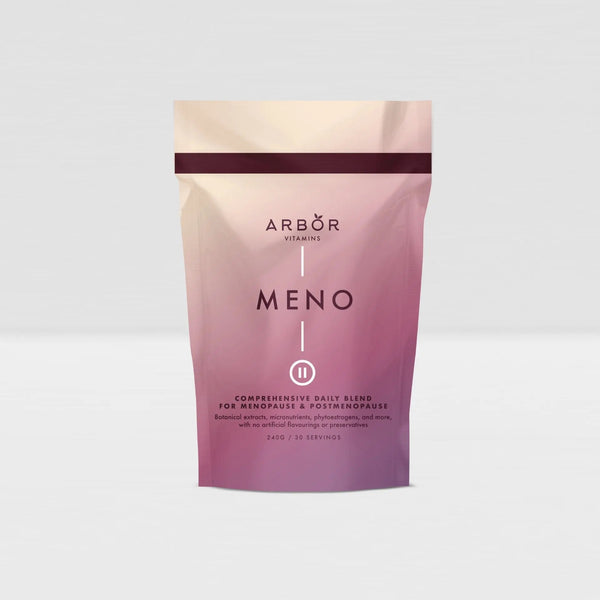
Some women benefit from standardized natural blends designed to support menopausal health, offering an array of bioavailable nutrients. For example, formulations containing multiple plant extracts and essential vitamins can complement dietary strategies. Incorporating a product formulated with 29 bioavailable ingredients tailored to menopause support can be a helpful adjunct to diet.Explore advanced nutritional options to enhance your menopause nutritional support plan.
Maintaining Heart Health Through Nutrition
Reducing Cardiovascular Risk
Menopause elevates heart disease risk due to changes in cholesterol and blood pressure. Consuming a diet rich in fruits, vegetables, whole grains, omega-3 fatty acids, and low in saturated fats helps mitigate this risk.
Monitoring and Regular Screening
Alongside nutritional support, regular monitoring of lipid profiles and blood pressure is essential. Liaising with healthcare professionals ensures a holistic approach to cardiovascular health in menopause.
The Role of Sleep in Menopausal Health and Nutrition's Impact
Link Between Diet and Sleep Quality
Nutrition influences sleep through melatonin precursors (tryptophan), minerals (magnesium, zinc), and balanced energy intake. Including foods such as nuts, seeds, eggs, and fatty fish can improve sleep quality, thereby positively affecting menopausal symptoms.
Maintaining a Consistent Eating Schedule
Eating meals at regular times supports circadian rhythms and hormonal balance, contributing to better sleep patterns often disrupted during menopause.
Psychological Well-being and Nutritional Support
Nutrition’s Role in Mood and Cognition
Micronutrients, such as B vitamins and omega-3 fatty acids, support neurotransmitter function and cognitive health, addressing mood swings and ‘brain fog’ often experienced during menopause.
Integrating Lifestyle Approaches
Combining dietary strategies with stress reduction techniques, adequate sleep, and physical activity creates a supportive environment for mental well-being during menopause.
Summary and Next Steps in Menopause Nutritional Support
Effective menopause nutritional support involves a targeted balance of macronutrients, essential vitamins and minerals, and lifestyle adjustments tailored for hormonal changes. Key strategies include adequate protein and calcium intake, incorporation of phytoestrogens, hydration, and avoidance of symptom-triggering foods. Supporting cardiovascular, bone, and cognitive health with nutrition helps reduce long-term risks and improve quality of life. Incorporating comprehensive, science-backed formulations alongside a balanced diet can further optimise health outcomes. To explore tailored menopause nutritional supplements and more detailed nutritional guidance, discover supportive blend options designed specifically to address your needs. Embrace a proactive and personalised approach to menopause nutritional support for a healthier transition and enhanced well-being.