Lion's Mane and ADHD Medication: Can You Take Them Together?
Quick Answer
Yes, in most cases, Lion's Mane can be taken alongside ADHD medications such as Elvanse (lisdexamfetamine) and Concerta (methylphenidate).
There are currently no well-established interactions between Lion's Mane (Hericium erinaceus) and commonly prescribed ADHD medications. However, research specifically investigating this combination is limited, so it's sensible to introduce any new supplement cautiously and discuss it with your GP or pharmacist if you have any concerns.
Many people with ADHD are interested in Lion's Mane because of its reputation for supporting cognitive function, focus and overall wellbeing. While early research into Lion's Mane is promising, it isn't a treatment for ADHD and shouldn't replace prescribed medication.
In this guide, we'll explain:
-
Whether Lion's Mane interacts with ADHD medications.
-
What the current research says.
-
Who may wish to use extra caution.
-
How to choose a high-quality Lion's Mane supplement.
Pharmacist's Verdict
| Question | Answer |
|---|---|
| Can I take Lion's Mane with ADHD medication? | ✅ Yes, in most cases. |
| Is there a known interaction? | ❌ No well-established interaction has been identified. |
| Can Lion's Mane replace ADHD medication? | ❌ No. Continue taking your medication exactly as prescribed. |
| Should I speak to a healthcare professional first? | ✅ Yes, particularly if you take multiple medicines or have a long-term medical condition. |

Is It Safe to Take Lion's Mane with ADHD Medication?
Based on the evidence currently available, there's no indication that Lion's Mane has a clinically significant interaction with stimulant ADHD medications such as Elvanse (lisdexamfetamine) or Concerta (methylphenidate).
Unlike high-caffeine supplements or stimulant-containing pre-workouts, Lion's Mane isn't known to increase heart rate, blood pressure or the stimulant effects of ADHD medication. It also isn't thought to affect the way methylphenidate or lisdexamfetamine are metabolised.
However, it's important to recognise that research is still limited. While Lion's Mane has been studied for its potential effects on cognitive function and brain health, there are currently no high-quality clinical trials investigating its use alongside ADHD medications.
If you're considering taking Lion's Mane with your ADHD medication, it's sensible to:
-
Choose a high-quality supplement from a reputable manufacturer.
-
Introduce one new supplement at a time.
-
Monitor for any unexpected side effects or changes in how your medication affects you.
-
Speak to your GP, pharmacist or ADHD specialist if you have any concerns.
In the next section, we'll look at why so many people with ADHD are interested in Lion's Mane and what the current evidence actually says.
Why Are People with ADHD Interested in Lion's Mane?
Lion's Mane has become one of the most talked-about functional mushrooms in the ADHD community. While it isn't licensed or recommended as a treatment for ADHD, many people choose to take it alongside their prescribed medication to support aspects of everyday cognitive performance.
Interest in Lion's Mane comes largely from its naturally occurring compounds, hericenones and erinacines, which have been studied for their potential effects on nerve growth factor (NGF) and brain health. Most of this research has been carried out in laboratory, animal or small human studies, so more robust clinical trials are still needed.
People commonly take Lion's Mane alongside ADHD medication in the hope of supporting:
-
Focus and concentration
-
Memory and learning
-
Mental clarity
-
Overall cognitive wellbeing
At present, there is no strong clinical evidence that Lion's Mane improves ADHD symptoms or enhances the effects of medications such as Elvanse or Concerta. It should be viewed as a supplement that may support overall wellbeing rather than a replacement for evidence-based ADHD treatment.
If you decide to try Lion's Mane, choose a supplement made from 100% fruiting body mushrooms, with clearly stated extraction methods and transparent ingredient labelling.
Choosing a High-Quality Lion's Mane Supplement
The quality of Lion's Mane supplements can vary considerably. Differences in the part of the mushroom used, extraction method and manufacturing standards may all influence the final product.
When comparing supplements, look for:
-
100% fruiting body mushrooms rather than mycelium grown on grain.
-
Clearly stated extraction methods, such as hot water extraction, rather than vague marketing claims.
-
Transparent ingredient lists with no proprietary blends.
-
Minimal unnecessary fillers or additives.
-
Independent quality testing, where available.
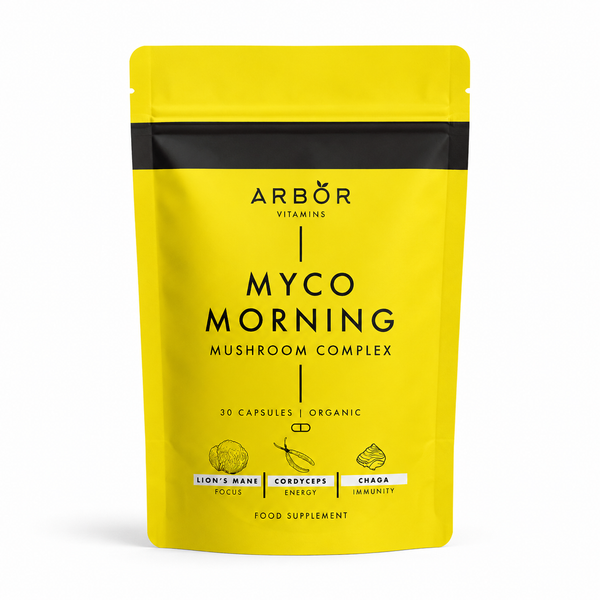
Some people also prefer blends that combine Lion's Mane with other functional mushrooms. For example, cordyceps is often included in formulations designed to support energy and vitality, while chaga is commonly chosen for its antioxidant content.
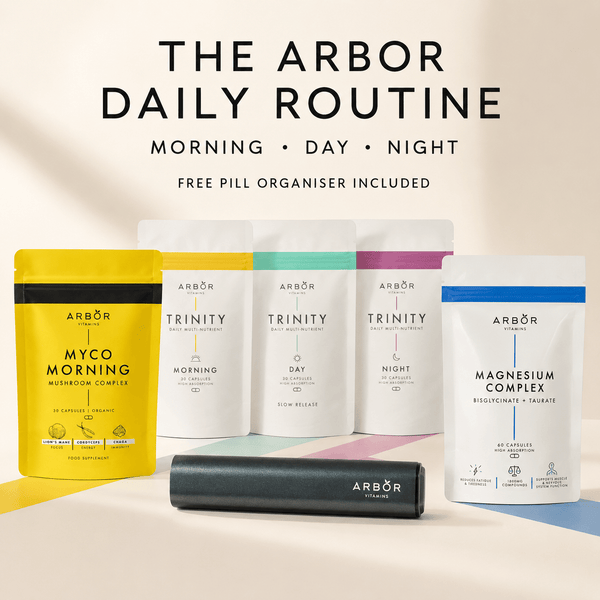
 (MYCO Morning combines organic Lion's Mane, Cordyceps and Chaga extracts from 100% fruiting body mushrooms, with transparent extraction methods and no unnecessary fillers.)
Ultimately, choosing a well-manufactured supplement from a reputable company is likely to be more important than selecting the product with the highest advertised dose.
Who Should Use Extra Caution?
Although Lion's Mane is generally considered well tolerated, it isn't suitable for everyone.
It's worth speaking to your GP, pharmacist or ADHD specialist before taking Lion's Mane if you:
-
Take multiple prescription medicines or have a complex medical history.
-
Have a known mushroom allergy.
-
Are pregnant or breastfeeding, as there is limited safety data available.
-
Have an autoimmune condition or take medicines that suppress the immune system.
-
Have any concerns about how supplements may affect your ADHD medication.
If you decide to try Lion's Mane, introduce it gradually and avoid starting several new supplements at the same time. This makes it easier to identify whether any unwanted effects occur.
While there are no well-established interactions between Lion's Mane and ADHD medications, everyone responds differently to supplements. If you notice new or worsening symptoms after starting Lion's Mane, stop taking it and seek advice from your healthcare professional.
Lion's Mane should always be viewed as a complement to—rather than a replacement for—evidence-based ADHD treatment and healthy lifestyle measures.
Frequently Asked Questions
Can I take Lion's Mane with Elvanse?
Yes. There are currently no well-established interactions between Lion's Mane and Elvanse (lisdexamfetamine). Most people can take them together safely, but if you have a long-term medical condition or take multiple medicines, speak to your GP or pharmacist before starting any new supplement.
Can I take Lion's Mane with Concerta?
Yes. There are no well-established interactions between Lion's Mane and Concerta (methylphenidate). Current evidence doesn't suggest they shouldn't be taken together, although research on this combination remains limited.
Does Lion's Mane make ADHD medication work better?
There's currently no good clinical evidence that Lion's Mane enhances the effects of ADHD medications such as Elvanse or Concerta. While it's being studied for its potential effects on brain health, it shouldn't be viewed as a way to boost the effectiveness of your prescribed medication.
Can I take MYCO Morning with ADHD medication?
Yes. There are no well-established interactions between ADHD medications and the mushrooms found in MYCO Morning, including Lion's Mane, Cordyceps and Chaga. As with any supplement, introduce it gradually and speak to your GP or pharmacist if you have any concerns.
Does Lion's Mane contain stimulants?
No. Lion's Mane doesn't contain stimulant compounds like caffeine and isn't known to increase heart rate or blood pressure in the same way as stimulant medications or high-caffeine supplements.
Can I take Lion's Mane every day?
For most healthy adults, daily use is generally considered acceptable when taken according to the manufacturer's directions. If you're unsure whether it's appropriate for you, speak to your healthcare professional.
Who shouldn't take Lion's Mane?
People with a mushroom allergy should avoid Lion's Mane. If you're pregnant, breastfeeding, taking multiple medicines or have a long-term medical condition, it's sensible to seek medical advice before starting any new supplement.
Should I stop taking my ADHD medication if I start Lion's Mane?
No. Continue taking your ADHD medication exactly as prescribed. Lion's Mane isn't a replacement for evidence-based ADHD treatment, and any changes to your medication should only be made after discussing them with your prescribing clinician.
Further Reading
If you found this guide helpful, you may also be interested in:
Functional Mushroom Guides
-
Do Mushroom Supplements Interact with Medications?
-
Lion's Mane and Sertraline: Can You Take Them Together?
-
Lion's Mane Benefits: What Does the Evidence Say?
-
Lion's Mane Side Effects and Safety
-
How to Choose a High-Quality Lion's Mane Supplement
-
Fruiting Body vs Mycelium: What's the Difference?
ADHD Medication Guides
-
Best Supplements to Take with Elvanse (Lisdexamfetamine) (and Which Ones to Avoid)
-
Best Supplements to Take with Concerta (Methylphenidate) (and Which Ones to Avoid)
-
Functional Mushrooms and ADHD (Coming Soon)
-
Cordyceps and ADHD Medication (Coming Soon)
Supplement Advice
-
Functional Mushroom Extracts Explained
-
Hot Water vs Dual Extraction: What's the Difference?
-
How to Choose a High-Quality Supplement
References
-
British National Formulary (BNF). Lisdexamfetamine.
-
British National Formulary (BNF). Methylphenidate.
-
National Institute for Health and Care Excellence (NICE). Attention deficit hyperactivity disorder: diagnosis and management.
-
NHS. Lisdexamfetamine.
-
NHS. Methylphenidate.
-
Friedman M. Chemistry, Nutrition, and Health-Promoting Properties of Hericium erinaceus (Lion's Mane) Mushroom Fruiting Bodies and Mycelia. Journal of Agricultural and Food Chemistry.
-
Li IC, et al. Neurohealth Properties of Hericium erinaceus Mycelia Enriched with Erinacines. Frontiers in Aging Neuroscience.
-
Memorial Sloan Kettering Cancer Center. About Herbs: Lion's Mane Mushroom.