If you’re in your late 30s or 40s and feel exhausted for no obvious reason, you’re not lazy, broken, or imagining it.
Perimenopause fatigue is real, incredibly common, and one of the earliest signs that hormones — and nutrient demands — are shifting.
Many women search:
-
Why am I so tired in perimenopause?
-
Perimenopause fatigue but normal blood tests
-
Best supplements for perimenopause fatigue
-
Why do I wake up tired every day?
This guide explains:
-
Why fatigue hits so hard in perimenopause
-
The hormonal and nutritional causes
-
Why “just sleep more” doesn’t work
-
And how combining foundational nutrition with targeted menopause support can make a real difference
🌸 What Is Perimenopause (And Why Fatigue Is So Common)?
Perimenopause is the transition phase before menopause, often lasting 5–10 years.
During this time:
-
Oestrogen fluctuates wildly
-
Progesterone often declines first
-
Cortisol (stress hormone) rises more easily
-
Blood sugar becomes less stable
-
Sleep becomes lighter and more fragmented
All of this places a huge energy demand on the body.
Fatigue is not a failure — it’s a signal.
⚠️ Why Perimenopause Causes Deep, Persistent Fatigue
1. Hormonal Fluctuations Drain Energy
Unlike menopause (where hormones stay low), perimenopause is unpredictable.
Oestrogen spikes and crashes can cause:
-
Energy highs followed by crashes
-
Poor sleep quality
-
Increased anxiety
-
Poor stress tolerance
This constant adaptation is exhausting for the nervous system.
2. Progesterone Decline Affects Sleep
Progesterone has a calming effect on the brain.
As it drops:
-
Sleep becomes lighter
-
You wake more easily
-
Night-time anxiety increases
-
Recovery sleep suffers
Even 8 hours in bed may not feel restorative.
3. Blood Sugar Instability
Perimenopause often brings:
-
Afternoon slumps
-
Feeling shaky if meals are delayed
-
Craving sugar or caffeine
-
Energy crashes after eating
These fluctuations directly contribute to fatigue.
4. Nutrient Needs Increase (But Intake Often Doesn’t)
Perimenopause increases demand for:
-
B vitamins
-
Iron
-
Magnesium
-
Zinc
-
Selenium
-
Vitamin D
At the same time, stress, dieting, and digestive changes reduce absorption.
This creates functional deficiencies, even when blood tests look “normal”.
🧬 Key Nutrients That Support Energy in Perimenopause
B Vitamins
Support cellular energy production and nervous system balance.
Low levels contribute to brain fog and exhaustion.
Iron
Fluctuating or heavy periods can quietly deplete iron, leading to fatigue and weakness.
Magnesium
Essential for sleep quality, stress regulation, and muscle recovery.
Zinc & Selenium
Support thyroid function, immunity, and hormone signalling.
This is why baseline nutritional support is so important.
⭐ Why Foundational Nutrition Comes First (TRINITY)
Many women jump straight to “hormone supplements” — but without solid nutritional foundations, they don’t work as well.
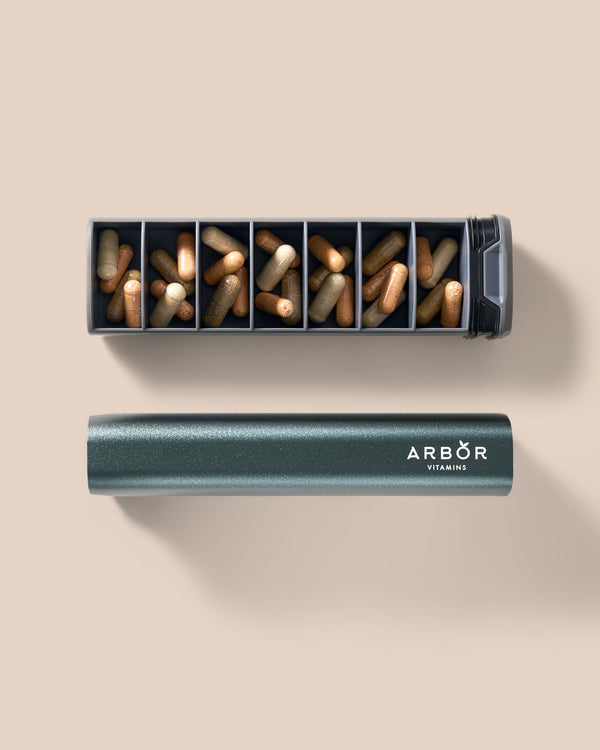
TRINITY Multi-Nutrients provides that foundation by supporting energy across the entire day:
🌅 Morning Formula
-
Iron + vitamin C
-
Full B-complex
-
Folate & biotin
Supports daytime energy, focus, and fatigue resistance.
☀️ Day Formula
-
Vitamin D3 + K2
-
Calcium
-
Iodine
-
B6 & B12
Supports metabolism, bones, and thyroid function.
🌙 Night Formula
-
Magnesium bisglycinate
-
Zinc
-
Selenium
-
Vitamin E
Supports sleep quality, recovery, and nervous system calm.
This time-optimised approach matters in perimenopause, when absorption and stress resilience are already challenged.
👉 Explore TRINITY Multi-Nutrients

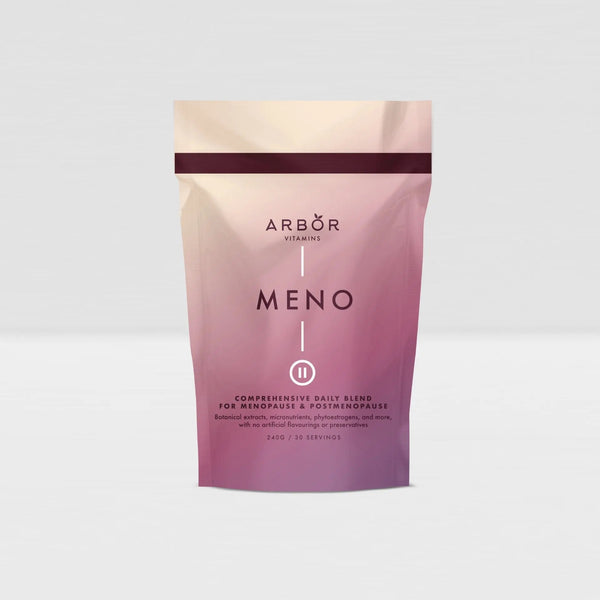
🌿 Why Perimenopause Also Needs Targeted Hormonal Support (MENO)
While TRINITY supports nutritional energy, perimenopause fatigue is also hormonal.
That’s where MENO comes in.
MENO is formulated specifically for perimenopause and menopause with 29 active ingredients, including:
🌱 Soy Isoflavones
Plant phytoestrogens that help smooth oestrogen fluctuations.
🌿 Siberian Ginseng
Traditionally used to support stamina, vitality, and stress resilience.
🌿 Sage, Hops & Dong Quai
Herbs long used to support women through hormonal transitions.
🌰 Pumpkin Seed & Saw Palmetto
Support hormonal balance and hair health.
⚡ Coenzyme Q10
Supports cellular energy production — crucial for fatigue.
🌊 Irish Sea Moss & Kelp
Provide trace minerals that support thyroid and metabolic energy.
🧬 Amino Acids (L-Arginine, Taurine, L-Carnitine, etc.)
Support mitochondrial energy, circulation, and muscle recovery.
Together, MENO helps address the hormonal root causes of perimenopause fatigue.
🔄 Why TRINITY + MENO Work Better Together
Perimenopause fatigue is multifactorial.
-
TRINITY supports nutrient-driven energy
-
MENO supports hormonal balance and vitality
Used together, they:
-
Reduce daily exhaustion
-
Improve resilience to stress
-
Support better sleep recovery
-
Help stabilise energy levels
This combination reflects how the body actually works — not a one-pill shortcut.
🧠 Summary
-
Perimenopause fatigue is common and real
-
Hormonal fluctuations, poor sleep, and nutrient depletion all contribute
-
Foundational nutrition must come first
-
Targeted hormonal support enhances results
-
TRINITY + MENO address both sides of fatigue
⭐ FAQs
Q: Is fatigue a normal symptom of perimenopause?
Yes — it’s one of the most common early symptoms.
Q: Why am I tired even when I sleep enough?
Hormonal changes reduce sleep quality and recovery, not just sleep duration.
Q: What supplements help perimenopause fatigue?
B vitamins, magnesium, iron, zinc, selenium, plus targeted menopausal botanicals.
Q: Can I take TRINITY and MENO together?
Yes — they’re designed to complement each other.
Q: Which is better for perimenopause fatigue — TRINITY or MENO?
They work best together: TRINITY for nutrition, MENO for hormonal support.