Vitamin E benefits for hair
Vitamin E benefits for hair? Hair loss, thinning, and brittle strands are concerns for many people — and one nutrient that frequently comes up in the conversation is vitamin E. Known for its antioxidant properties, vitamin E plays an important role in scalp health and hair strength. But are vitamin E capsules actually good for hair, and how do they work? Let’s explore the science.
🧬 Vitamin E and Hair Health: The Science
Vitamin E is a fat-soluble antioxidant that protects cells from oxidative stress — damage caused by free radicals. The scalp and hair follicles are particularly vulnerable to oxidative stress, which can weaken follicles and contribute to hair thinning.
Research suggests vitamin E supports hair health in three key ways:
-
Antioxidant Protection – Vitamin E helps prevent oxidative damage to follicle cells, which is linked to premature hair loss.
-
Scalp Circulation – It may improve blood flow to the scalp, ensuring that follicles receive enough oxygen and nutrients.
-
Structural Support – Vitamin E stabilises cell membranes, which helps protect the lipid layer of the scalp and hair shaft.
A 2010 study found that individuals supplementing with vitamin E saw a significant increase in hair count compared to placebo, suggesting its role in supporting regrowth and preventing further thinning.
🥑 Food Sources of Vitamin E
Before supplementation, it’s worth noting that vitamin E can be obtained from food sources such as:
-
Nuts and seeds (almonds, sunflower seeds, hazelnuts)
-
Leafy greens (spinach, kale)
-
Plant oils (sunflower, safflower, wheat germ oil)
-
Avocados
However, dietary intake is often lower than recommended, and many supplements on the market use synthetic vitamin E (dl-alpha tocopherol), which is less bioavailable than the natural form (d-alpha tocopherol).
💊 Are Vitamin E Capsules Good for Hair?
Direct answer: Yes, vitamin E capsules can support hair health by reducing oxidative stress, improving scalp circulation, and protecting follicles. However, effectiveness depends on:
-
The form of vitamin E used (natural vs synthetic)
-
The dose (too much can cause imbalances)
-
Whether other key nutrients are present (e.g., zinc, selenium, biotin), since hair health is never dependent on a single vitamin
This is why comprehensive formulas that combine vitamin E with synergistic nutrients may be more effective than stand-alone capsules.
🌿 Why TRINITY Is Different
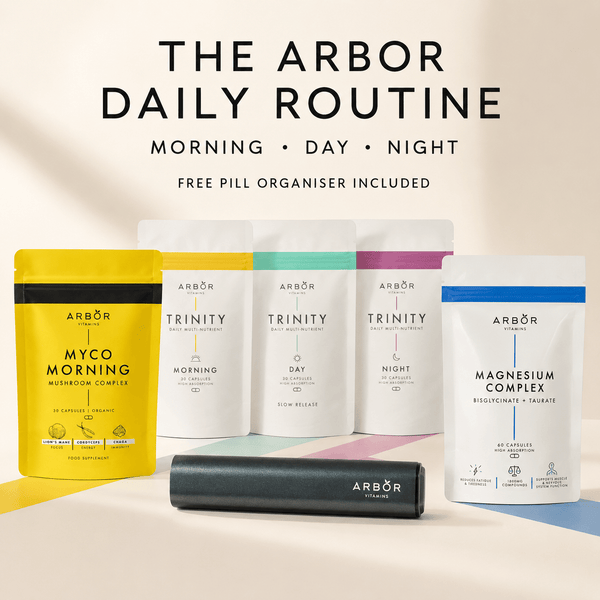
TRINITY Multivitamin delivers natural d-alpha tocopherol (vitamin E) in its night formula, alongside nutrients that work together for optimal hair and scalp health:
| Nutrient | Role in Hair Health | Why It’s Paired This Way in TRINITY |
|---|---|---|
| Vitamin E (d-alpha tocopherol) | Protects follicles from oxidative damage | Placed in evening capsule for recovery and repair |
| Zinc (bisglycinate) | Supports keratin production and scalp health | Works with vitamin E to protect and restore follicles |
| Selenium (selenomethionine) | Antioxidant, thyroid support for hair growth | Complements vitamin E’s antioxidant effects |
| Biotin (morning capsule) | Strengthens hair shaft and reduces brittleness | Taken earlier in the day for cellular energy support |
Unlike many “all-in-one” multivitamins that cram everything into one tablet — causing nutrient clashes that block absorption — TRINITY separates nutrients into morning, day, and night capsules. This ensures maximum absorption, better synergy, and avoids unnecessary fillers or synthetic additives.
❓ FAQs: Vitamin E and Hair Health
Q: How long does it take for vitamin E to improve hair?
A: Results vary, but consistent use over 3–6 months is typically needed to see improvements in hair thickness and strength.
Q: Can I get enough vitamin E from food alone?
A: It’s possible, but many people fall short of daily requirements. Supplements can help bridge the gap.
Q: Is vitamin E safe for everyone?
A: Vitamin E is generally safe at recommended doses, but high doses can interfere with blood clotting. Always check with your healthcare provider if you’re on medication.