Menopause symptoms can feel overwhelming — especially because they don’t all appear at once, and they don’t look the same for everyone.
From subtle changes like low energy or mood swings, to more disruptive symptoms such as hot flushes, sleep problems, joint pain, or brain fog, it’s often hard to tell what’s normal, what stage you’re in, and what your body is asking for.
That’s why we created this Menopause Symptoms Checklist.
Use it to:
-
Identify common perimenopause and menopause symptoms
-
Track changes over time
-
Understand whether symptoms may be hormone-related
-
Feel more confident starting conversations with your GP or healthcare provider
This checklist covers symptoms commonly experienced during:
-
Perimenopause (often starting in the 40s)
-
Menopause (typically around age 50)
-
Post-menopause
If you’re earlier in the transition and symptoms are just starting to feel “off”, targeted support like PERI Perimenopause Blend may be helpful.
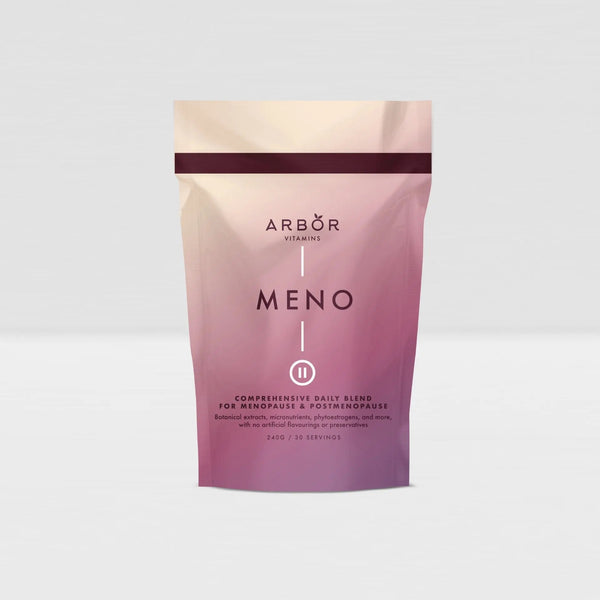
If symptoms are more established or persistent, women often choose MENO Menopause Blend for broader menopause support, alongside foundational nutrition like TRINITY Multi-Nutrients.
Tip: Print this checklist or save it digitally and revisit it every few months — patterns over time are often more useful than a single snapshot.
Frequently Asked Questions
What are the most common menopause symptoms?
Common menopause symptoms include hot flushes, night sweats, fatigue, poor sleep, mood changes, brain fog, joint stiffness, low libido, hair thinning, and changes in weight or appetite.
Not everyone experiences all symptoms, and severity can vary widely.
What’s the difference between perimenopause and menopause symptoms?
Perimenopause symptoms often include:
-
Mood swings
-
Fatigue
-
Anxiety
-
Irregular periods
-
Brain fog
Menopause symptoms tend to be more physical and persistent, such as:
-
Hot flushes and night sweats
-
Sleep disruption
-
Joint pain
-
Vaginal dryness
This is why early support with products like PERI can be helpful before symptoms fully progress.
At what age do menopause symptoms usually start?
Many women notice early symptoms in their 40s, with menopause most commonly occurring around age 50–51 in the UK.
However, timing varies, and symptoms can start earlier or later.
Why is tracking menopause symptoms important?
Tracking symptoms helps you:
-
Recognise hormonal patterns
-
Understand triggers (stress, sleep, nutrition)
-
See whether symptoms are improving or worsening
-
Decide when extra support may be needed
It also makes GP or specialist appointments far more productive.
Can nutrition and supplements help menopause symptoms?
Yes. Hormonal changes increase demand for certain nutrients, particularly those involved in:
-
Energy production
-
Nervous system balance
-
Bone and joint health
-
Stress resilience
Targeted blends like PERI (perimenopause) or MENO (menopause), combined with a comprehensive multi-nutrient like TRINITY, can support the body through these changes.
Is this checklist a diagnostic tool?
No — this checklist is for awareness and tracking only.
It’s designed to help you understand your body and support informed conversations with healthcare professionals.