If you’re around age 50 and noticing new physical or emotional changes, you’re not alone.
For many women, 50 is the age where perimenopause transitions into menopause — and symptoms can feel more noticeable, more intense, or simply different from earlier years.
This guide explains:
-
Common menopause symptoms at age 50
-
How symptoms differ from perimenopause
-
What’s considered “normal”
-
Why energy, mood, sleep, and hair often change
-
How nutritional and botanical support can help during this stage
🌸 Is Age 50 a Normal Time for Menopause?
Yes — 50 is the average age for menopause in the UK.
Menopause is officially defined as:
12 consecutive months without a period
At age 50, many women are:
-
In late perimenopause
-
Transitioning into menopause
-
Or newly postmenopausal
Hormone levels (especially oestrogen and progesterone) fluctuate less and begin to decline more permanently, which is why symptoms often feel different from earlier years.
⚠️ Common Menopause Symptoms at Age 50
🔥 Hot Flushes & Night Sweats
Often more frequent at this age due to lower oestrogen levels affecting temperature regulation.
You may notice:
-
Sudden heat waves
-
Sweating at night
-
Sleep disruption
😴 Fatigue & Low Energy
Many women report feeling:
-
Constantly tired
-
Less resilient to stress
-
Slower to recover
This is linked to:
-
Hormonal shifts
-
Poor sleep
-
Nutrient depletion
Foundational nutrients (B vitamins, magnesium, iron where appropriate) become especially important.
🧠 Brain Fog & Memory Changes
At age 50, hormonal changes can affect:
-
Concentration
-
Word recall
-
Mental clarity
Botanicals like ginkgo, ginseng, and adaptogens, alongside nervous-system nutrients, can be helpful here.
😟 Mood Changes & Anxiety
Lower oestrogen affects serotonin and stress hormones.
Symptoms may include:
-
Irritability
-
Anxiety
-
Low mood
-
Feeling emotionally “flat”
This is where targeted perimenopause or menopause blends can provide support beyond a standard multivitamin.
😴 Sleep Disturbances
Sleep issues often worsen around menopause:
-
Difficulty falling asleep
-
Night waking
-
Early waking
-
Poor sleep quality
Magnesium, calming botanicals, and hormone-supportive nutrients can make a noticeable difference.
💇♀️ Hair Thinning & Skin Changes
At age 50, reduced oestrogen affects:
-
Hair growth cycles
-
Skin elasticity
-
Nail strength
Nutrients like biotin, zinc, selenium, silica, and antioxidants become increasingly important.
🔄 Perimenopause vs Menopause at Age 50
At 50, symptoms can overlap — but there are differences:
| Perimenopause | Menopause |
|---|---|
| Irregular cycles | Periods have stopped |
| Hormones fluctuate | Hormones remain low |
| Symptoms come and go | Symptoms may feel more consistent |
| Mood swings common | Fatigue & sleep issues more prominent |
Women still experiencing irregular cycles may benefit from PERI-focused support, while those post-period often do better with menopause-specific formulas.
🌿 How to Support Menopause Symptoms at Age 50
1️⃣ Targeted Menopause Support
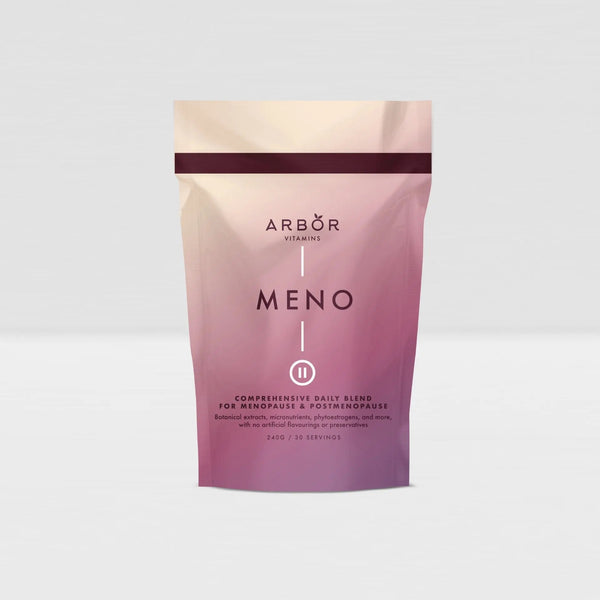
For women firmly in menopause, a comprehensive botanical blend can help address:
-
Hormonal balance
-
Mood
-
Energy
-
Bone and joint health
-
Skin and hair changes
MENO Menopause Blend is formulated with:
-
Soy isoflavones
-
Dong quai
-
Sage
-
Hops
-
Siberian ginseng
-
Antioxidants and amino acids

2️⃣ Perimenopause Support (If Cycles Are Still Irregular)
If you’re 50 but still experiencing hormonal fluctuations, PERI may be more appropriate.
PERI supports:
-
Hormonal transitions
-
Mood and nervous system balance
-
Energy and stress resilience
It includes ingredients such as:
-
Inositol
-
Maca root
-
Dong quai
-
Siberian ginseng
-
Red clover
-
Soy isoflavones
-
Probiotics
3️⃣ Foundational Daily Nutrition
Regardless of stage, menopause places higher demands on micronutrients.
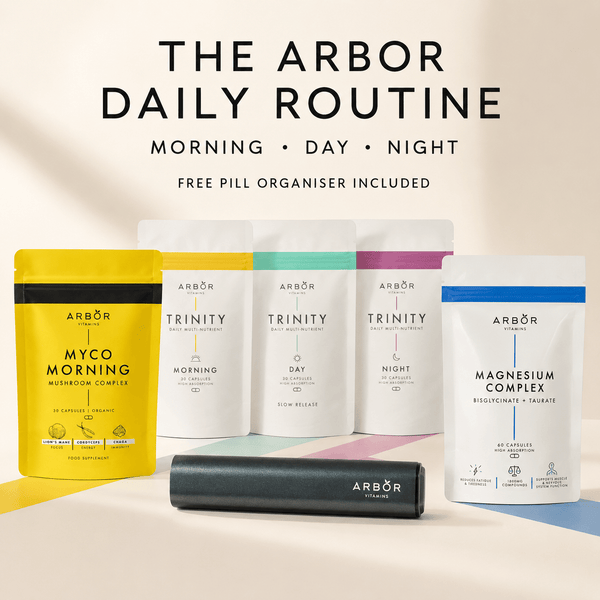
A time-optimised multinutrient like TRINITY Multi-Nutrients supports:
-
Energy metabolism
-
Immune health
-
Nervous system balance
-
Sleep and recovery
By separating nutrients into morning, day, and night formulas, TRINITY improves absorption and avoids common nutrient conflicts.
🧠 Summary
-
Age 50 is a very common time for menopause
-
Symptoms may feel more persistent than earlier perimenopause
-
Fatigue, sleep issues, mood changes, and hair thinning are common
-
Support should match your stage (PERI vs MENO)
-
Foundational nutrition remains essential during hormonal change
⭐ FAQs
Q: Is it normal to have menopause symptoms at age 50?
Yes — 50 is the average age for menopause in the UK.
Q: How do I know if I’m in perimenopause or menopause?
If periods are irregular, it’s likely perimenopause. If periods have stopped for 12 months, menopause is confirmed.
Q: What supplements help menopause symptoms at age 50?
Botanical menopause blends, magnesium, B vitamins, and antioxidants are commonly helpful.
Q: Should I take a multivitamin during menopause?
Yes — nutrient needs increase during hormonal change, and absorption matters.