Direct Answer: Menopause has three main stages — perimenopause, menopause, and postmenopause. Each stage brings unique hormonal changes, symptoms, and health risks. Understanding these shifts helps women choose the right lifestyle, nutrition, and supplement support.
🧬 The Science of Hormonal Change
Menopause isn’t a single event — it’s a gradual transition in which the ovaries reduce their production of oestrogen, progesterone, and testosterone.
-
Oestrogen → regulates periods, bone strength, skin hydration, and brain function. Its decline drives most menopause symptoms.
-
Progesterone → balances oestrogen and supports sleep. Its early drop in perimenopause often causes irregular bleeding and anxiety.
-
Testosterone → though lower in women, it influences libido, energy, and muscle mass, and also declines gradually with age.
🔄 The Three Stages of Menopause
1️⃣ Perimenopause: The Transition Phase
-
When it happens: Usually late 30s to mid-40s.
-
Hormones: Progesterone falls first, then oestrogen fluctuates wildly (sometimes high, sometimes very low).
-
Symptoms: Irregular periods, heavy bleeding, hot flushes, mood swings, brain fog, sleep disturbances, breast tenderness, anxiety.
-
Duration: 4–10 years.
Lifestyle Support in Perimenopause:
-
Balance blood sugar → frequent dips in oestrogen can trigger cravings and mood changes. Eat balanced meals with protein, healthy fats, and fibre.
-
Support sleep → winding down routines, limiting caffeine/alcohol, and using calming nutrients like magnesium glycinate help reduce insomnia.
-
Exercise for stress → yoga, walking, and strength training counter cortisol spikes and improve resilience.
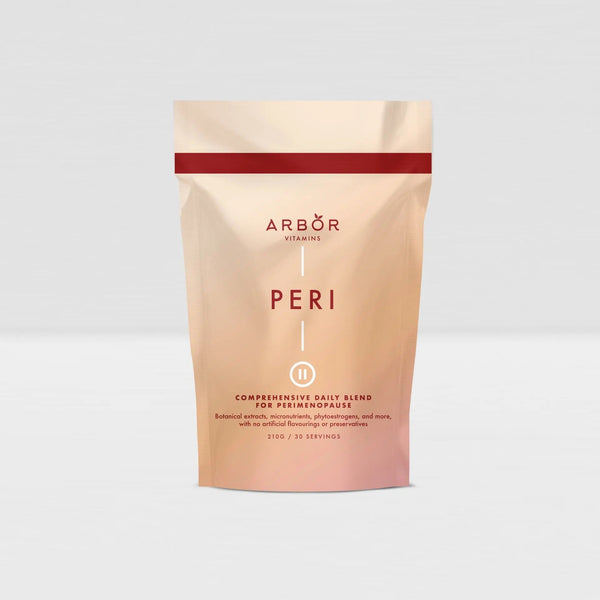
👉 Supplement option: PERI blend, with maca, red clover, inositol, and ginseng for energy, mood balance, and gentle hormone support.

2️⃣ Menopause: The Final Period
-
When it happens: Officially diagnosed after 12 months without a period. Average age: 51.
-
Hormones: Oestrogen and progesterone drop to consistently low levels; testosterone continues to decline.
-
Symptoms: Hot flushes, night sweats, low libido, vaginal dryness, joint aches, fatigue, depression, brain fog.
-
Risks: Bone loss accelerates, heart health changes, and skin/hair ageing speeds up.
Lifestyle Support in Menopause:
-
Strength training → combats bone loss and muscle wasting (sarcopenia).
-
Protein-rich diet → aim for ~1.2g protein/kg bodyweight daily to preserve muscle and metabolism.
-
Weight-bearing activity → walking, resistance bands, or weights protect bone density.
-
Hydration & skin health → falling oestrogen reduces skin hydration, so prioritise fluids, omega-3s, and antioxidants.
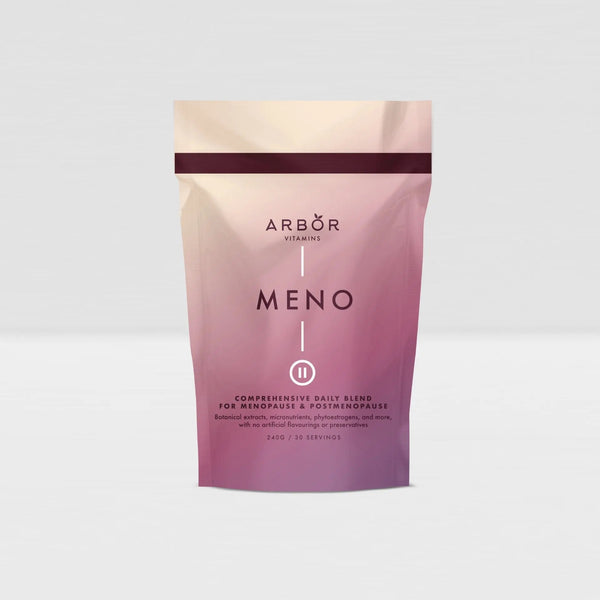
👉 Supplement option: MENO blend, with soy isoflavones, sage, dong quai, CoQ10, resveratrol, and grape seed extract to balance symptoms and protect long-term health.
3️⃣ Postmenopause: Life After Menopause
-
When it happens: From the day after menopause, for the rest of life.
-
Hormones: Oestrogen, progesterone, and testosterone remain very low.
-
Symptoms: Hot flushes may ease, but vaginal dryness, skin thinning, low libido, and osteoporosis risk persist.
-
Risks: Osteoporosis, cardiovascular disease, urinary tract infections, and metabolic changes.
Lifestyle Support in Postmenopause:
-
Bone health focus → vitamin D, calcium, and weight training are essential.
-
Heart protection → a Mediterranean-style diet rich in omega-3s, fibre, and antioxidants supports cardiovascular health.
-
Cognitive support → omega-3s, B-vitamins, and exercise protect brain health.
-
Sexual health → hydration, phytoestrogens, and pelvic floor exercises can help with vaginal dryness and bladder weakness.
👉 Nutrient support: TRINITY multivitamin, with:
-
Vitamin D₃ + K₂ + calcium for bones
-
Magnesium glycinate for sleep and calm
-
B-complex + iron for energy and cognition
-
Zinc + selenium for repair and thyroid function
👉 Explore TRINITY here
👉 Explore MENO here
🧠 Summary
-
Perimenopause = fluctuating hormones, irregular cycles, mood and sleep issues.
-
Menopause = permanent low oestrogen/progesterone, hot flushes, dryness, and fatigue.
-
Postmenopause = long-term risks like osteoporosis and heart disease.
-
Lifestyle changes (strength training, diet, stress reduction) are vital at every stage.
-
PERI supports transition, MENO supports hormone decline, and TRINITY covers essential nutrients for resilience.
👉 Explore TRINITY here
👉 Explore MENO here
❓ FAQs: Stages of Menopause
Q: What’s the earliest sign of perimenopause?
A: Irregular periods and mood changes, often caused by dropping progesterone.
Q: Does menopause end?
A: No — after 12 months without periods you’re postmenopausal, but low hormone levels persist for life.
Q: How long does perimenopause last?
A: 4–10 years, but it varies between women.
Q: Can supplements help at all stages?
A: Yes — PERI, MENO, and TRINITY are designed to complement each stage naturally.
👉 Explore TRINITY here
👉 Explore MENO here