⚖️ Magnesium Glycinate vs Magnesium Citrate: Which Is Better?
⚖️ Magnesium Glycinate vs Magnesium Citrate: Magnesium is one of the most important minerals for energy, muscle recovery, and nervous system balance — but not all forms are created equal.
Two of the most popular are magnesium glycinate and magnesium citrate, and while both can help raise magnesium levels, they work differently in the body.
Let’s break down the differences so you can choose the right one for your needs.
💡 What Is Magnesium Glycinate?
Magnesium glycinate (or bisglycinate) is formed when magnesium is bound to the amino acid glycine.
This form is known for its high absorption rate and gentle effect on digestion.
✅ Best for: daily use, stress support, muscle recovery, sleep, and relaxation.
✅ Absorption: very high
✅ Stomach tolerance: excellent — rarely causes discomfort
Because glycine itself has calming properties, this form of magnesium is often used to help reduce tiredness and fatigue while supporting normal psychological function.
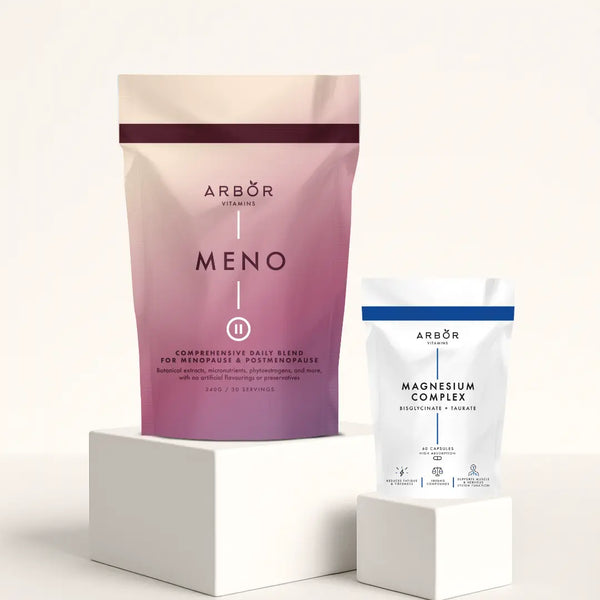
🩵 The Arbor Magnesium Complex features pure magnesium glycinate + magnesium taurate — two of the most bioavailable and gentle forms, with no oxide or fillers.
⚙️ What Is Magnesium Citrate?
Magnesium citrate is made by combining magnesium with citric acid.
It’s one of the most common forms found in high-street supplements and is known for helping relieve occasional constipation or support digestion.
✅ Best for: those looking for mild laxative or digestive benefits
✅ Absorption: moderate
✅ Stomach tolerance: can cause loose stools in higher doses
While magnesium citrate can help boost magnesium intake, it’s not as efficient or comfortable for long-term, daily use compared to glycinate or taurate.
🧠 Magnesium Glycinate vs Citrate: Key Differences
| Feature | Magnesium Glycinate | Magnesium Citrate |
|---|---|---|
| Absorption | Excellent | Good |
| Digestive tolerance | Gentle | Can be laxative |
| Best for | Energy, sleep, relaxation, stress, recovery | Digestion, bowel regularity |
| Elemental magnesium | Moderate, well absorbed | Slightly higher, less absorbed |
| Ideal for long-term use | ✅ Yes | ⚠️ Sometimes |
💬 Bottom line: Magnesium glycinate is the better option if you want a highly absorbable, gentle, everyday magnesium supplement — especially for sleep, recovery, and stress.
🌿 Why We Don’t Use Magnesium Citrate in Arbor Formulas
At Arbor, we design supplements around bioavailability and function — not just numbers on a label.
While citrate has its place, it’s not as gentle or as efficiently absorbed as glycinate or taurate.
That’s why the Arbor Magnesium Complex uses two premium amino-acid chelates — glycinate and taurate — to deliver 264 mg elemental magnesium per daily serving, with no buffering, no oxide, and no fillers.
✨ The Takeaway
If you’re looking for a magnesium supplement for energy, sleep, and recovery — choose magnesium glycinate (or a blend with taurate).
If you need help with digestion, magnesium citrate can be useful short term, but it’s less ideal for ongoing daily use.
💊 For a clean-label, vegan-friendly option made for real absorption, try the
Arbor Magnesium Complex →
❓ FAQs
Which magnesium is best for sleep and relaxation?
Magnesium glycinate is often considered the best form for sleep because of its calming effect on the nervous system and excellent absorption.
Is magnesium citrate good for constipation?
Yes — citrate draws water into the intestines, making it helpful for mild constipation. However, it’s not ideal for long-term daily use.
Can I take magnesium glycinate every day?
Absolutely. Magnesium glycinate is gentle, non-laxative, and suitable for daily supplementation.
What is magnesium taurate used for?
Magnesium taurate combines magnesium with taurine, supporting cardiovascular health, nervous system balance, and energy metabolism.