Multivitamin Gummies vs Tablets vs Capsules
Multivitamin Gummies vs Tablets vs Capsules: From colourful gummies to traditional tablets, multivitamins come in many forms. Gummies may look fun and taste sweet, but are they really better than tablets? And why do we recommend capsules instead? Let’s break it down.
⚠️ The Downsides of Multivitamin Gummies
1. High Sugar or Sweetener Content
In many gummy vitamins, the first few ingredients on the label aren’t nutrients at all — they’re sugars or sweeteners like glucose syrup, sucrose, or sucralose. These add empty calories, can spike blood sugar, and offer no health benefit. In a quality multivitamin, they simply aren’t necessary.
2. Missing Key Nutrients
Gummies often skip important minerals like iron, magnesium, or selenium because they affect taste or texture — leaving gaps in your nutrition.
3. Lower Dosages
The gummy format has limited space for active ingredients, meaning you often get much less than your recommended daily amounts.
4. Stability Issues
Heat, light, and air can break down vitamins — especially in gummy form — reducing potency before you finish the jar.
5. Additives & Colourings
Artificial colours, flavours, and preservatives are often used to make gummies look appealing — but they offer no benefit to your health.
💊 The Downsides of Tablets
While tablets can be more nutrient-dense than gummies, they have some drawbacks that often go unnoticed:
-
More fillers and binders — Tablets need agents like magnesium stearate, talc, or cellulose to hold their shape. In cheaper formulas, these can make up a surprisingly large part of the tablet.
-
Cheaper, less absorbable nutrient forms — Some brands cut costs by using basic or synthetic forms of vitamins and minerals that the body doesn’t absorb as efficiently.
-
Harder breakdown — Tablets are tightly compressed, meaning they can take longer to dissolve — which may reduce absorption, especially for people with digestive issues.
-
Large and difficult to swallow — Many tablets are bulky, which can make daily use uncomfortable.
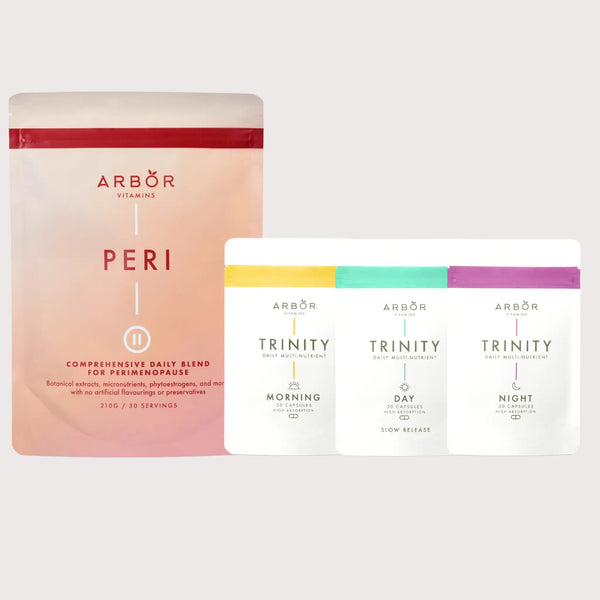
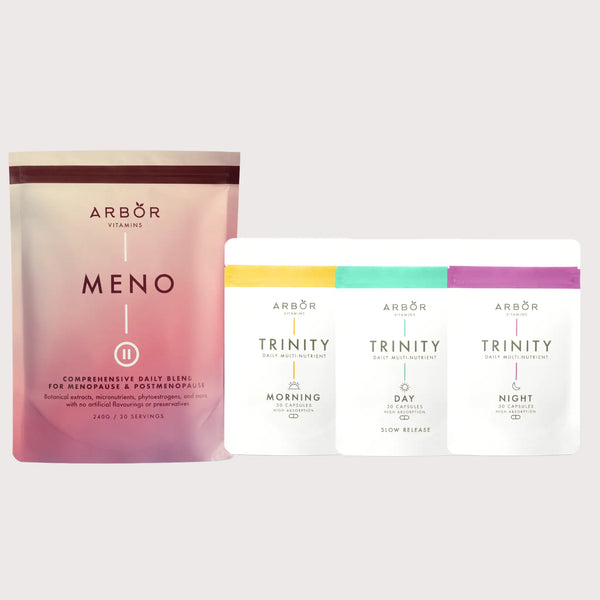
🌿 Why We Prefer Capsules — Especially TRINITY
Capsules combine the nutrient density of tablets with a cleaner, easier-to-absorb format. They:
-
Require fewer or no binders — allowing for purer formulations
-
Break down quickly in the stomach — aiding faster nutrient absorption
-
Can include more bioavailable nutrient forms
-
Are easier to swallow for many people
Our TRINITY multivitamin uses capsules to deliver:
-
Timed delivery — B-vitamins in the morning, magnesium at night
-
No fillers, binders, sugars, or artificial additives
-
Full nutrient profile — iron, magnesium, zinc, selenium, vitamins D₃ & K₂, methylated B-vitamins, and antioxidants
-
Gentle on digestion with well-absorbed bisglycinate and methylcobalamin forms
✅ Bottom Line
Gummies may taste nice but often lack nutrients and add sugar. Tablets can be effective but may include binders and break down more slowly. Capsules — especially clean, well-formulated ones like TRINITY — offer the best of both worlds: complete nutrition, better absorption, and no unnecessary additives.
❓ FAQs: Gummies vs Tablets vs Capsules
Q: Are gummies better absorbed than tablets?
A: Not necessarily — absorption depends on nutrient form, not format. Capsules often match or beat tablets.
Q: Why do gummies have so much sugar?
A: Sugar is used for taste and texture, but it adds calories and isn’t needed for effective supplementation.
Q: Are tablets bad for digestion?
A: Some people tolerate them fine, but others find them harder to break down — capsules are often easier.
Q: What’s the best choice overall?
A: A clean, capsule-based multivitamin like TRINITY for full-spectrum, well-absorbed nutrition without fillers or sugars.