Cholesterol is often thought of as “bad,” but the truth is more nuanced. Your body needs cholesterol for hormones, vitamin D, and cell membranes — but too much LDL (“bad”) cholesterol, especially alongside low HDL (“good”) cholesterol, raises cardiovascular risk.
So, what supplements can help lower cholesterol?
Direct Answer: Supplements like omega-3 fatty acids, plant sterols, fibre (psyllium husk), red yeast rice, and Coenzyme Q10 have been shown to support healthy cholesterol levels. Multivitamins that include antioxidants, B-vitamins, and minerals may also help by supporting metabolism and reducing oxidative stress.
🧬 The Science of Cholesterol and Supplements
-
Omega-3 fatty acids (EPA & DHA) → Found in fish oil and algae supplements. Help lower triglycerides and improve HDL cholesterol.
-
Plant sterols/stanols → Found in fortified foods and supplements. Block absorption of cholesterol in the gut.
-
Soluble fibre (e.g. psyllium husk) → Helps reduce LDL cholesterol by binding it during digestion.
-
Red yeast rice → Contains compounds similar to statins. Can be effective but should only be used under medical guidance.
-
Coenzyme Q10 (CoQ10) → Not a cholesterol-lowering supplement directly, but supports heart health, energy production, and may counteract statin-related side effects.
🥗 Food First: Natural Sources That Help
Supplements work best when paired with a cholesterol-friendly diet:
-
Oats, beans, and lentils → rich in soluble fibre.
-
Nuts (especially walnuts and almonds) → contain plant sterols and healthy fats.
-
Olive oil and avocados → boost HDL and improve the LDL/HDL ratio.
-
Fatty fish (salmon, mackerel, sardines) → rich in omega-3s.
🌟 Where Multivitamins Fit In
While no multivitamin directly lowers cholesterol, they can support cardiovascular health by filling gaps that impact metabolism, inflammation, and oxidative stress.
-
B-complex vitamins (B6, B12, folate) → help regulate homocysteine, a marker linked to heart disease.
-
Magnesium → supports blood pressure and vascular health.
-
Vitamin D & K2 → work together to regulate calcium balance, supporting artery health.
-
Antioxidants (vitamin C, vitamin E, selenium, beta-carotene) → help protect cholesterol from oxidation, a key factor in arterial plaque.
🌿 Why TRINITY by Arbor Vitamins Supports Heart Health
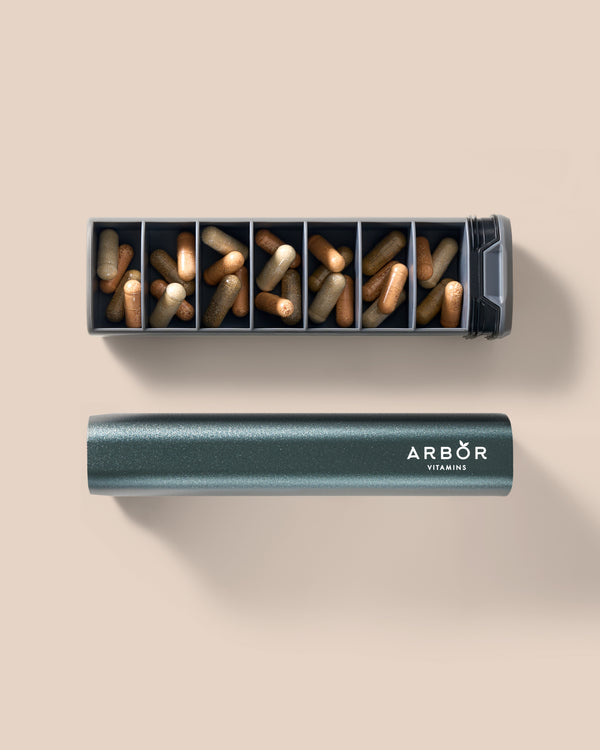
TRINITY wasn’t designed as a cholesterol-lowering supplement, but its synergistic nutrients support cardiovascular function:
-
The Morning Formula provides methylated B-vitamins and iron for energy metabolism.
-
The Day Formula includes vitamin D₃ and K₂, helping to direct calcium to bones and away from arteries, plus chromium and B12 for blood sugar and energy regulation.
-
The Night Formula delivers magnesium glycinate, zinc, selenium, vitamin E, and beta-carotene — all key for cardiovascular resilience, recovery, and antioxidant protection.
Together, TRINITY supports the systems that influence cholesterol management, while omega-3s, fibre, and plant sterols can be added separately.
🧠 Summary
Supplements like omega-3 fatty acids, plant sterols, fibre, and CoQ10 can directly support cholesterol balance. A high-quality multivitamin won’t lower cholesterol on its own but helps protect heart health by supporting metabolism, blood vessels, and antioxidant defence.
TRINITY’s nutrient synergy makes it an excellent daily foundation for overall cardiovascular wellbeing.
❓ FAQs: Supplements & Cholesterol
Q: Can multivitamins lower cholesterol?
A: Not directly, but they support metabolic and vascular health, which influences cholesterol balance.
Q: What is the best supplement for lowering LDL cholesterol?
A: Omega-3 fatty acids, plant sterols, and fibre are most effective.
Q: Should I take CoQ10 for cholesterol?
A: CoQ10 doesn’t lower cholesterol itself but supports heart function and can counteract statin-related side effects.
Q: Can I replace statins with supplements?
A: No. If prescribed statins, follow medical advice. Supplements can be supportive but not a replacement.