7 Best Supplements to Take With Mounjaro, Ozempic or Wegovy
If you’re taking Mounjaro®, Ozempic®, Wegovy® or Rybelsus®, you may be wondering whether you need supplements to protect your energy, muscle, hair and general health while losing weight.
These medicines commonly reduce appetite and food intake. Nausea, vomiting, diarrhoea and constipation can also make it harder to eat a varied diet, particularly when starting treatment or increasing the dose. Over time, smaller meals and a narrower range of foods may leave gaps in protein, fibre, vitamins or minerals.
However, GLP-1 medicines do not automatically “strip” nutrients from your body, and not everyone needs an expensive collection of products marketed as a GLP-1 supplement stack.
The best supplements for Mounjaro, Ozempic or Wegovy depend on what your diet is no longer providing.

Quick Answer: What Supplements Should You Take?
The most useful options are usually:
-
Protein powder if smaller meals make it difficult to eat enough protein.
-
Fibre if your intake of wholegrains, fruit, vegetables and pulses has fallen.
-
Vitamin D, following normal UK recommendations.
-
A comprehensive multivitamin if your meals have become consistently small, repetitive or restricted.
-
Iron, vitamin B12, magnesium or electrolytes when there is a specific dietary, clinical or blood-test reason to take them.
Current clinical guidance emphasises maintaining a nutrient-dense diet, adequate protein and resistance exercise during GLP-1 treatment, with protein or micronutrient supplements added according to individual need rather than automatically prescribed to everyone.
What Might Your Body Be Missing?
Eating less does not necessarily mean becoming deficient. Someone eating smaller portions of protein-rich, nutrient-dense food may still meet many of their nutritional needs.
Problems are more likely when reduced appetite leads to:
-
Skipping meals regularly.
-
Eating very little protein.
-
Avoiding entire food groups.
-
Relying on a small number of easily tolerated foods.
-
Persistent vomiting or diarrhoea.
-
Very rapid weight loss.
-
Poor fluid intake.
-
An existing restricted diet or previous deficiency.
Symptoms such as tiredness, dizziness, hair shedding or weakness are not proof of a vitamin deficiency. They can also be related to inadequate calories, dehydration, rapid weight loss, gastrointestinal side effects, low blood pressure or another medical issue.
That said, supplements can be extremely useful when they solve a genuine gap. The aim is not to replace food with capsules—it is to make sure eating less does not also mean missing the nutrients your body still needs.
The 7 Options at a Glance
You do not need every supplement on this list. The right choice depends on what has changed in your diet, any side effects you are experiencing and whether blood tests have identified a deficiency.
| Supplement | When It May Help |
|---|---|
| Protein powder | When reduced appetite makes it difficult to eat enough protein |
| Fibre supplement | When fibre intake is low or constipation persists despite dietary changes |
| Multivitamin and mineral | When meals are consistently small, repetitive or missing several food groups |
| Vitamin D | In line with normal UK guidance, particularly during autumn and winter |
| Iron or vitamin B12 | When diet, medical history or blood tests indicate a need |
| Magnesium | When dietary intake is low or there is another specific reason to supplement |
| Electrolytes | During significant fluid loss from vomiting, diarrhoea or heavy sweating |
1. Protein Powder
Protein is one of the most important nutritional priorities during weight loss because losing weight can involve losing muscle as well as body fat.
A protein powder may be useful if smaller meals mean you struggle to include foods such as:
-
Eggs.
-
Fish or meat.
-
Greek yoghurt or cottage cheese.
-
Tofu, tempeh or soya.
-
Beans, lentils and chickpeas.
It is not essential when you are already eating enough protein. However, a smaller protein shake can be easier to manage than a full meal when your appetite is low.
Collagen also contains protein, but it should not be your main protein source for maintaining muscle. Whey, soya and well-formulated plant-protein blends provide a more complete range of essential amino acids.
Protein intake should be combined with resistance or strength exercise wherever appropriate. Current expert guidance identifies both as important for helping to preserve lean mass during GLP-1-supported weight loss.
2. Fibre
Eating smaller meals can also mean eating less fibre, particularly when fruit, vegetables, pulses and wholegrains become harder to manage.
A fibre supplement may help when food intake remains low or constipation is an ongoing problem. Options such as psyllium husk should be introduced gradually and taken with enough fluid.
Increasing fibre too quickly can worsen:
-
Bloating.
-
Abdominal discomfort.
-
Wind.
-
Constipation when fluid intake is inadequate.
Food remains the preferred starting point because fibre-rich foods also provide vitamins, minerals and other nutrients. Try adding manageable portions of berries, oats, vegetables, beans, lentils, nuts or seeds rather than attempting one very large high-fibre meal.
3. A Comprehensive Multivitamin
A multivitamin can provide useful nutritional cover when reduced appetite has made your diet consistently smaller or less varied.
It may be particularly practical when you are:
-
Regularly skipping meals.
-
Eating the same few foods each day.
-
Avoiding several food groups.
-
Struggling to tolerate full meals.
-
Unsure whether your smaller diet is covering a broad range of micronutrients.
A multivitamin does not replace protein, fibre, hydration or sufficient food. It also may not contain enough of an individual nutrient to treat an established deficiency.
For example, confirmed iron-deficiency anaemia or vitamin B12 deficiency may require a separate treatment dose recommended by a healthcare professional.
The best multivitamin is not simply the product with the longest ingredient list. Look for meaningful—not excessive—amounts of essential vitamins and minerals, clear ingredient forms and a formulation you can tolerate consistently.
For a full comparison, read our separate guide to choosing the best multivitamin for Mounjaro, Ozempic and Wegovy users.
4. Vitamin D
Taking a GLP-1 medicine does not create a unique vitamin D requirement. However, people in the UK should still follow the normal national guidance.
The NHS recommends that adults consider a daily supplement containing 10 micrograms of vitamin D during autumn and winter. People with limited sun exposure or darker skin may be advised to take this amount throughout the year.
Check the amount already present in your multivitamin before adding another vitamin D product so that you do not unintentionally double up.
5. Iron and Vitamin B12
Iron and vitamin B12 should not automatically be added simply because you take Mounjaro or Ozempic.
They deserve more attention when there are specific risk factors.
Iron may be relevant if you:
-
Have heavy periods.
-
Eat little meat or other iron-rich food.
-
Have previously had low ferritin or anaemia.
-
Are experiencing symptoms that warrant investigation.
Vitamin B12 may be relevant if you:
-
Follow a vegan diet.
-
Eat very few animal products or fortified alternatives.
-
Take metformin.
-
Have a history of B12 deficiency or reduced absorption.
Fatigue, weakness, dizziness or hair shedding can justify speaking to your GP, but symptoms alone cannot show which nutrient—if any—is low. Blood tests are more useful than choosing high-dose supplements at random.
Avoid taking high-dose iron “just in case”. It may cause nausea, abdominal discomfort or constipation, which can be particularly unhelpful when gastrointestinal side effects are already present.
6. Magnesium
Magnesium contributes to normal muscle function, nervous-system function and energy metabolism, but it is not automatically depleted by GLP-1 medicines.
A supplement may be worth considering if:
-
Your diet contains few nuts, seeds, pulses, wholegrains or leafy vegetables.
-
A healthcare professional has identified a likely need.
-
You are choosing magnesium for another appropriate reason.
Magnesium supplements can cause diarrhoea, so they may be unsuitable when loose stools are already a problem.
7. Electrolytes
Most people taking a GLP-1 injection do not need a daily electrolyte powder.
Electrolytes may be useful after meaningful fluid loss caused by:
-
Repeated vomiting.
-
Significant diarrhoea.
-
Heavy sweating.
-
Prolonged inability to eat or drink normally.
They are not a cure for every episode of tiredness, headache or light-headedness. These symptoms may also result from inadequate food, dehydration, low blood pressure, changes in blood glucose or another medical problem.
Persistent vomiting, severe dizziness, very dark urine or an inability to keep fluids down requires medical advice rather than simply adding a flavoured electrolyte product.
Where Does a Multivitamin Fit?
A multivitamin makes the most sense when reduced appetite has affected several areas of your diet at once.
It may be a simpler option than buying multiple separate products when meals have become small, repetitive or low in variety. However, it should still sit alongside adequate protein, fibre, fluid and food—not replace them.
A multivitamin is also different from targeted treatment. Someone with confirmed iron-deficiency anaemia, vitamin B12 deficiency or another clinical deficiency may need a specific dose that an everyday multivitamin cannot provide.
 Why We Recommend TRINITY
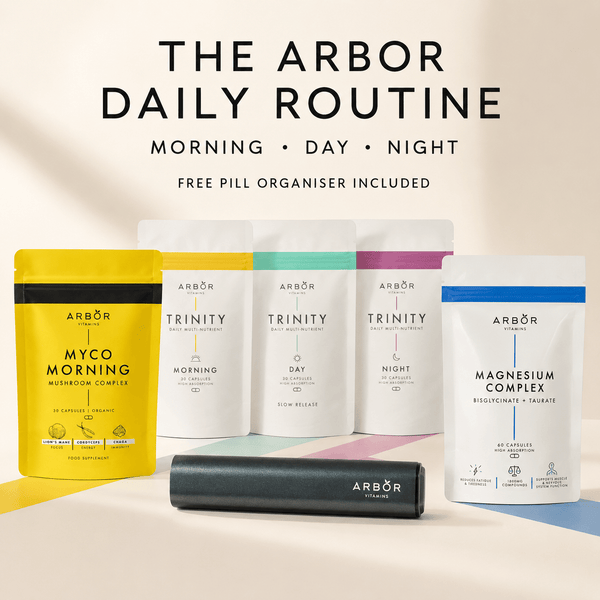
TRINITY by Arbor Vitamins is a three-part daily multivitamin and mineral system created to provide broad nutritional cover across Morning, Day and Night formulas.
It includes nutrients that may become harder to obtain consistently when food intake falls, including:
-
Iron and vitamin C.
-
A broad range of B vitamins.
-
Vitamin D3 and vitamin K2.
-
Magnesium in malate and bisglycinate forms.
-
Zinc, selenium, iodine and copper.
-
Lutein, zeaxanthin and natural beta-carotene.
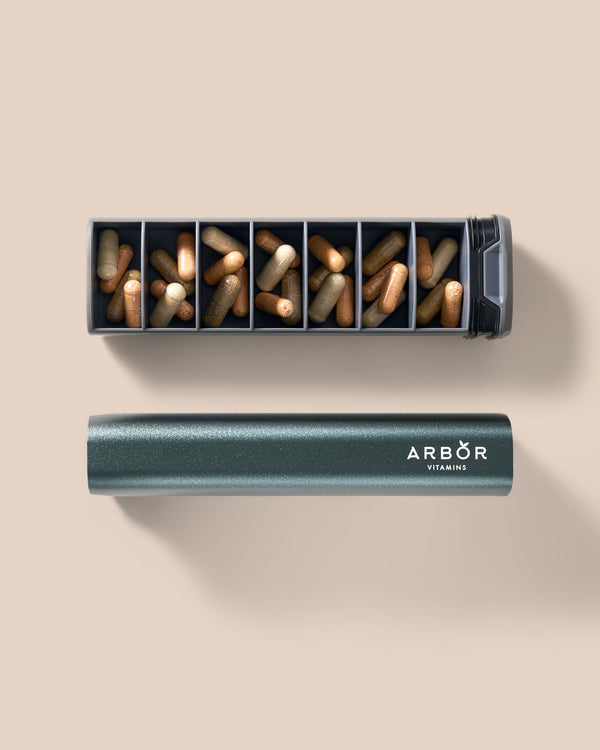
Rather than placing everything into one large tablet, TRINITY divides its nutrients between three capsules. Selected nutrients are separated according to compatibility, while useful combinations—such as iron with vitamin C—are provided together.
TRINITY uses vegan HPMC capsules and does not contain magnesium stearate or maltodextrin. The recommended daily serving is three capsules: Morning and Day earlier in the day, followed by Night in the evening.
Why It Can Be Useful Alongside a GLP-1 Medicine
TRINITY may suit someone who:
-
Is eating substantially smaller meals.
-
Has lost variety from their diet.
-
Wants broad vitamin and mineral cover without buying multiple bottles.
-
Prefers capsules rather than gummies or a large tablet.
-
Wants a multivitamin containing both iron and magnesium.
-
Values a clearly labelled formula without added bulking agents.
It does not provide meaningful protein, fibre or electrolytes, and it cannot treat a diagnosed deficiency by itself.
Is TRINITY Suitable for Everyone?
No multivitamin is right for everybody.
TRINITY contains iron, so check with a pharmacist or doctor before taking it if you:
-
Have been advised to avoid iron.
-
Have haemochromatosis or another iron-overload condition.
-
Already take a separate iron supplement.
-
Are being investigated or treated for anaemia.
-
Experience significant constipation or nausea with iron products.
You should also seek individual advice if you are pregnant, trying to conceive, breastfeeding, taking warfarin, receiving treatment for a thyroid condition or using other supplements that contain overlapping nutrients.
TRINITY is our own product, so this is a commercial recommendation. We recommend it because it offers comprehensive micronutrient cover in three capsules, but it is not compulsory and it will not be the best choice for every GLP-1 user.
Shop TRINITY Multi-Nutrients
Broad daily vitamin and mineral support for people whose reduced appetite has made eating a consistently varied diet more difficult.
Supplements to Avoid or Use With Caution
Taking more supplements does not necessarily provide better protection.
Be cautious with:
-
High-dose iron without a confirmed need: it can worsen nausea, abdominal discomfort and constipation.
-
Multiple overlapping products: a multivitamin, hair supplement and electrolyte powder may contain several of the same nutrients.
-
High-dose biotin: it can interfere with some blood-test results, including certain thyroid and cardiac tests.
-
“Fat burners” and stimulant blends: these may increase palpitations, anxiety, blood pressure or digestive discomfort.
-
High-dose magnesium: larger supplemental doses can cause diarrhoea.
-
Large amounts of fibre introduced suddenly: this may worsen bloating or constipation, particularly when fluid intake is poor.
-
Herbal blood-sugar products: ingredients such as berberine may not be appropriate alongside diabetes medicines without professional advice.
Check the complete label rather than judging each product separately. This helps prevent unintentionally doubling up on iron, vitamin D, zinc, selenium or vitamin A.
Can You Take Supplements on the Same Day as Your Injection?
In most cases, an ordinary vitamin, mineral or protein supplement can be taken on the same day as an injectable dose of Mounjaro, Ozempic or Wegovy.
There is no standard requirement to separate supplements from a weekly injection by one hour. Take them at a time you tolerate well—often with a meal—to reduce the chance of nausea.
Oral semaglutide is different.
Rybelsus and oral Wegovy should be taken on an empty stomach after fasting for at least eight hours. Wait at least 30 minutes before eating, drinking or taking other oral medicines or supplements because taking them together can reduce semaglutide absorption.
Some medicines also require their own spacing from minerals such as iron, calcium or magnesium. Examples include levothyroxine, certain antibiotics and bisphosphonates.
Read our separate guide to taking supplements safely with GLP-1 medications for detailed timing and interaction advice.
When Should You Speak to a Doctor?
Supplements should not be used to disguise persistent or severe adverse effects.
Seek medical advice if you experience:
-
Repeated vomiting.
-
An inability to keep fluids down.
-
Severe or persistent abdominal pain.
-
Fainting or significant dizziness.
-
Very dark urine or signs of dehydration.
-
Ongoing weakness or exhaustion.
-
Rapid or unexplained hair loss.
-
Symptoms of low blood sugar.
-
Continued difficulty eating enough food.
Vomiting and diarrhoea associated with GLP-1 medicines can cause dehydration, which may occasionally affect kidney function.
A review of your dose, diet, hydration and blood tests may be more useful than adding another supplement.
FAQs: Supplements and GLP-1 Medications
What are the best supplements to take with Mounjaro or Ozempic?
The most useful options are usually protein powder, fibre, vitamin D and a comprehensive multivitamin when your diet no longer provides enough. Iron, vitamin B12, magnesium and electrolytes should be chosen according to individual need rather than taken automatically.
Do GLP-1 medications cause vitamin deficiencies?
They do not automatically cause deficiencies or broadly prevent nutrient absorption. However, reduced appetite, smaller meals, restricted food choices and persistent digestive side effects can make inadequate intake more likely over time.
What is the best multivitamin for Mounjaro or Ozempic?
Look for a comprehensive formula containing sensible amounts of essential vitamins and minerals rather than extremely high doses. Whether it should contain iron depends on your diet, medical history and individual requirements.
TRINITY provides broad micronutrient cover across three daily capsules and may suit people whose diets have become consistently smaller or less varied.
Is magnesium good to take with Mounjaro?
Magnesium can be taken alongside Mounjaro when appropriate, but it is not essential for every user. A supplement may be useful when dietary intake is low or there is another specific reason to take it. Magnesium can cause diarrhoea, so consider your existing digestive symptoms.
Do I need electrolytes while taking Wegovy?
Not routinely. Water and an ordinary balanced diet generally provide adequate hydration and electrolytes.
An electrolyte or oral rehydration product may be useful during meaningful fluid loss from vomiting, diarrhoea or heavy sweating. Persistent dehydration requires medical advice.
Can supplements stop hair loss on GLP-1 medications?
Not necessarily. Hair shedding during substantial weight loss may relate to rapid weight change, low calorie or protein intake, illness, stress or a genuine nutrient deficiency.
Prioritise adequate protein and speak to your GP if shedding is significant or persistent. High-dose hair supplements are unlikely to correct the problem unless they address a real deficiency.
Should I take iron while using Ozempic?
Only when there is a reason. Iron may be appropriate for someone with heavy periods, low dietary intake, low ferritin or confirmed iron-deficiency anaemia.
It should not be taken automatically because excess iron offers no additional benefit and may worsen constipation or nausea.
The Pharmacist’s Verdict
The best supplement plan for Mounjaro, Ozempic or Wegovy is usually much simpler than social media suggests.
Start by asking whether you are getting enough:
-
Protein.
-
Fibre.
-
Fluid.
-
Varied, nutrient-dense food.
A comprehensive multivitamin can provide useful backup when meals have become consistently small or repetitive. Other products should solve a specific problem rather than being added “just in case”.
TRINITY is our preferred comprehensive multivitamin option for people seeking broad nutritional cover, but it does not replace food, protein or medical treatment—and it will not be suitable for everyone.
Explore TRINITY Multi-Nutrients
Three daily formulas providing broad vitamin and mineral support without the need to assemble a complicated supplement stack.
Related Guides
-
Best Multivitamin for Mounjaro, Ozempic and Wegovy Users — how to compare formulas, doses and ingredients.
-
Can You Take Supplements With GLP-1 Medications? — supplement timing, medicine interactions and what to avoid.
-
Can Ozempic or Mounjaro Cause Anaemia? — symptoms, blood tests and when iron may be appropriate.
-
Hair Loss on Ozempic, Mounjaro or Wegovy — why rapid weight loss can trigger shedding and what may help.
References
-
Mozaffarian D, Agarwal M, Aggarwal M, et al. Nutritional priorities to support GLP-1 therapy for obesity: a joint advisory from the American College of Lifestyle Medicine, the American Society for Nutrition, the Obesity Medicine Association and The Obesity Society. Obesity. 2025;33(8):1475–1503.
-
Electronic Medicines Compendium. Mounjaro—Summary of Product Characteristics.
-
Electronic Medicines Compendium. Wegovy injection—Summary of Product Characteristics.
-
Electronic Medicines Compendium. Wegovy tablets—Summary of Product Characteristics.
-
NHS. Vitamin D: vitamins and minerals.
About the Author
Written by Jon Wright, Clinical Pharmacist and Co-Founder of Arbor Vitamins.
Jon combines clinical pharmacy experience with evidence-based supplement formulation to help people make more informed decisions about medicines, nutrition and supplementation.
Last reviewed: August 2026
Medical Disclaimer
This article is for general information only and does not replace personalised advice from your doctor, pharmacist or dietitian.
Do not stop, start or change the dose of Mounjaro, Ozempic, Wegovy, Rybelsus or any other prescribed medicine without speaking to your prescriber.
Seek medical advice if you are struggling to eat or drink, experiencing persistent vomiting or diarrhoea, losing weight unexpectedly quickly or developing symptoms that could indicate a nutritional deficiency.