Cordyceps Benefits: Does It Really Help Energy, Exercise Performance and Fatigue?
Cordyceps is often promoted as a natural way to increase energy, improve exercise performance and reduce fatigue. It has become particularly popular in pre-workout powders, mushroom coffees and functional mushroom blends.
However, the claims surrounding Cordyceps often run ahead of the human evidence.
Some studies have reported improvements in exercise tolerance, oxygen use or recovery-related markers. Others have found little or no meaningful benefit—particularly in trained athletes. Products may also contain different Cordyceps species, cultivated mycelium, fruiting-body extracts or multi-ingredient blends, making results difficult to compare.
Quick Answer
Cordyceps may support certain aspects of exercise performance and recovery, but it has not been proven to provide an immediate energy boost or consistently improve fitness in everyone.
The most promising human evidence relates to:
-
Exercise tolerance and time to exhaustion.
-
Certain measures of oxygen utilisation.
-
Recovery following exercise.
-
Possible effects on immune activity.
However, the studies are generally small, use different preparations and have produced mixed results. Evidence for many other advertised benefits—including testosterone support, weight loss, anti-ageing and treatment of fatigue-related conditions—remains limited or is based largely on laboratory and animal research.
Cordyceps Benefits at a Glance
| Claimed Benefit | What Does the Evidence Suggest? |
|---|---|
| More energy | Cordyceps may influence exercise-related energy metabolism, but it has not been shown to produce a rapid stimulant-like energy boost. |
| Improved exercise performance | Some small studies report improved exercise tolerance or time to exhaustion, while others show no significant benefit. |
| Reduced fatigue | Possible, but convincing evidence in people experiencing everyday tiredness is limited. |
| Better exercise recovery | Early human research suggests possible effects on muscle-damage and recovery markers, although more studies are needed. |
| Immune support | Cordyceps may influence certain immune markers, but this does not prove that it prevents infections or illness. |
| Testosterone or fertility | Human evidence is currently insufficient to support these common marketing claims. |
| Heart health and blood sugar | Most encouraging findings come from laboratory, animal or condition-specific studies and should not be generalised to healthy adults. |
Pharmacist’s Verdict
Cordyceps is an interesting functional mushroom, but it should not be presented as a natural replacement for caffeine, a proven treatment for fatigue or a guaranteed performance enhancer.
The human evidence is promising but inconsistent. Some people—particularly those who are less highly trained—may experience modest improvements in exercise tolerance after taking a suitable product consistently. However, experienced athletes may be less likely to notice a meaningful effect.
The species, preparation and dose matter. A study involving a cultivated Cordyceps militaris extract cannot automatically be used to support every Cordyceps powder, mycelium product or mushroom blend sold commercially.
What Is Cordyceps?
Cordyceps is not one single mushroom or ingredient. It is a name used for a group of fungi, many of which naturally grow by parasitising insects.
The species with the longest history of traditional use is Ophiocordyceps sinensis, formerly known as Cordyceps sinensis. It is sometimes called the caterpillar fungus because it naturally develops from insect larvae in high-altitude regions of Asia.
Wild O. sinensis is scarce, expensive and difficult to source sustainably. As a result, most Cordyceps supplements do not contain the wild fungus traditionally used in Tibetan and Chinese medicine.
Modern products are more likely to contain:
-
Cultivated Cordyceps militaris fruiting bodies.
-
Cordyceps militaris mycelium.
-
Fermented fungal mycelium such as Cs-4.
-
A combination of Cordyceps with other mushrooms or herbal ingredients.
These preparations should not be treated as interchangeable. Their chemical composition, cultivation methods and concentrations of naturally occurring compounds can differ considerably.
Cordyceps militaris vs Ophiocordyceps sinensis
| Type | What Is It? | What You Should Know |
|---|---|---|
| Ophiocordyceps sinensis | The traditional caterpillar fungus found naturally in high-altitude regions | Wild material is scarce and unusually expensive, so it is rarely used in everyday UK supplements. |
| Cordyceps militaris | A related species that can be cultivated commercially | Commonly used in modern supplements and available as fruiting-body powder, mycelium or an extract. |
| Cs-4 | A cultivated fungal mycelium produced through fermentation | Used in several human exercise studies, but it is not identical to wild O. sinensis or a C. militaris fruiting-body supplement. |
| Cordyceps blends | Cordyceps combined with other mushrooms, herbs or performance ingredients | Any reported effect cannot automatically be attributed to Cordyceps alone. |
What Compounds Does Cordyceps Contain?
Cordyceps preparations may contain several groups of naturally occurring compounds, including:
-
Polysaccharides, including beta-glucans.
-
Adenosine and related nucleosides.
-
Ergosterol.
-
Cordycepin.
-
Other species-dependent metabolites.
Cordycepin is particularly associated with Cordyceps militaris. It is frequently discussed in laboratory research, but the presence of cordycepin in a supplement does not prove that the product will produce a particular health benefit in humans.
Different cultivation and extraction methods can also affect the levels of these compounds. This is one reason why evidence from a specific standardised extract should not automatically be applied to every commercial Cordyceps product.
Is Cordyceps a Stimulant?
Cordyceps is not a conventional stimulant and does not naturally contain caffeine.
It should not be expected to create the rapid alertness, increased heart rate or noticeable “buzz” associated with coffee or stimulant-based pre-workout products.
When people describe Cordyceps as supporting energy, they are generally referring to proposed effects on:
-
Cellular energy metabolism.
-
Oxygen utilisation during exercise.
-
Exercise tolerance.
-
Perceived fatigue.
These effects remain under investigation and are not equivalent to the immediate stimulation produced by caffeine.
Always check the complete label, as Cordyceps coffees and pre-workout blends may contain added caffeine, green tea, guarana or other stimulating ingredients.
Why the Type of Cordyceps Matters
A study involving 3 g of fermented Cs-4 mycelium cannot automatically tell us what to expect from 1 g of Cordyceps militaris fruiting-body extract.
Before assessing a Cordyceps product, check:
-
The full scientific species name.
-
Whether it contains fruiting body, mycelium or both.
-
Whether the mycelium was grown on grain.
-
The amount supplied per daily serving.
-
Whether it is a plain powder or an extract.
-
Whether the manufacturer discloses its extraction and testing methods.
The Key Point
“Cordyceps” is a broad commercial term rather than one standardised supplement.
The human evidence comes from several different fungal species, strains and preparations. Understanding which Cordyceps was actually studied is essential before deciding whether the research supports the product you are considering.
Does Cordyceps Increase Energy or Reduce Fatigue?
Cordyceps is frequently marketed as an energy supplement, but the word “energy” can mean several different things.
It may refer to:
-
Feeling more alert during the day.
-
Experiencing less physical tiredness.
-
Exercising for longer before becoming fatigued.
-
Recovering more comfortably after exercise.
-
Improving how efficiently the body uses oxygen during activity.
These outcomes are not interchangeable.
At present, most human Cordyceps research has focused on exercise performance and tolerance, rather than whether people feel more awake, motivated or mentally energised during an ordinary day.
Does Cordyceps Give You an Immediate Energy Boost?
Cordyceps does not naturally contain caffeine and is not known to act as a conventional stimulant.
It should not be expected to produce:
-
An immediate burst of alertness.
-
A noticeable “buzz”.
-
A rapid increase in motivation.
-
The same short-term effect as coffee or a caffeinated pre-workout.
Some people may subjectively feel more energetic while taking it, but this has not been consistently demonstrated in controlled human trials.
Products marketed as Cordyceps coffee or pre-workout supplements may also contain caffeine, green tea, guarana or other stimulating ingredients. In these cases, any immediate energy effect may come from the additional ingredients rather than Cordyceps itself.
What Does the Human Research Show?
Some small studies suggest that Cordyceps may influence how the body responds to exercise.
For example, research has reported possible improvements in:
-
Time before reaching exhaustion.
-
Ventilatory threshold—the intensity at which breathing begins to increase more rapidly.
-
Certain measures of oxygen use.
-
Exercise tolerance in less highly trained or older adults.
However, other trials have reported no significant improvements in aerobic capacity, endurance or cycling performance.
The results may depend on:
-
The Cordyceps species or strain used.
-
Whether the product contains mycelium, fruiting body or an extract.
-
The dose and duration.
-
The fitness level of the participants.
-
The type of exercise being tested.
-
Whether Cordyceps was used alone or within a blend.
Research Findings at a Glance
| Participant Group | What Was Found? |
|---|---|
| Healthy older adults | One small 12-week trial reported improvements in certain measures of exercise tolerance. |
| Healthy younger adults | A small study using a Cordyceps militaris-containing mushroom blend reported improved time to exhaustion after consistent use, but it was not a pure Cordyceps product. |
| Trained cyclists | Five weeks of Cs-4 supplementation did not improve aerobic capacity or endurance performance. |
| Athletes overall | Recent pooled research suggests a possible modest benefit for some endurance measures, but the number and quality of available trials remain limited. |
Does Cordyceps Help Everyday Tiredness?
There is currently insufficient high-quality evidence to say that Cordyceps reliably reduces ordinary daytime fatigue in otherwise healthy adults.
Exercise studies may show that someone can continue cycling or running slightly longer under laboratory conditions. That does not necessarily mean they will:
-
Wake up feeling more refreshed.
-
Experience less mental fatigue.
-
Need less sleep.
-
Feel more productive at work.
-
Recover from an underlying cause of tiredness.
Cordyceps should therefore not be described as a proven treatment for persistent fatigue.
Ongoing tiredness may have many causes, including poor sleep, stress, nutritional deficiencies, medication effects or an underlying health condition. A supplement should not replace appropriate medical assessment where fatigue is persistent, unexplained or worsening.
Could Cordyceps Support Energy Indirectly?
Researchers have proposed that Cordyceps may influence biological processes involved in exercise, including oxygen utilisation and cellular energy metabolism.
However, these proposed mechanisms do not prove that taking a commercial Cordyceps supplement will noticeably increase energy in humans.
Laboratory findings involving isolated cordycepin or animal studies should also not be presented as though they demonstrate the same effect from an oral Cordyceps capsule.
Pharmacist’s Perspective
Cordyceps may be better viewed as a potential exercise-support supplement than as a natural stimulant.
The current evidence suggests it might modestly support exercise tolerance in some people after consistent use. However, it is unlikely to provide the immediate, obvious energy effect associated with caffeine, and there is not enough evidence to recommend it as a treatment for everyday fatigue.
Any benefit is likely to be subtle—and may depend heavily on the Cordyceps preparation and the person taking it.
Does Cordyceps Improve Exercise Performance?
Cordyceps may support certain aspects of exercise performance, but the evidence is not strong enough to call it a proven performance enhancer.
Some human studies have reported improvements in:
-
Time to exhaustion.
-
Ventilatory threshold.
-
Metabolic threshold.
-
Maximum oxygen consumption.
-
Tolerance of high-intensity exercise.
Other trials—particularly those involving trained endurance athletes—have found no meaningful improvement.
This mixed evidence means the answer is not simply that Cordyceps “works” or “does not work”. The outcome may depend on the participant’s fitness level, the preparation used and how consistently it is taken.
What Have Human Exercise Studies Found?
| Study | Cordyceps Preparation | Dose and Duration | Main Finding |
|---|---|---|---|
| Chen et al., 2010 | Fermented Cs-4 mycelium | 3 g daily for 12 weeks | Metabolic and ventilatory thresholds improved in healthy older adults, but VO₂ max did not change. |
| Hirsch et al., 2017 | Mushroom blend containing Cordyceps militaris | 4 g daily for three weeks | Improvements were reported in VO₂ max and time to exhaustion, but the supplement contained several mushroom ingredients rather than Cordyceps alone. |
| Parcell et al., 2004 | Fermented Cs-4 mycelium | 3 g daily for five weeks | No improvement in VO₂ peak, ventilatory threshold or endurance performance was found in trained male cyclists. |
| Recent pooled research | Various Cordyceps preparations | Approximately two to sixteen weeks | Possible modest improvements in some endurance measures, although the studies were small and the products varied considerably. |
What Is Time to Exhaustion?
Time to exhaustion measures how long someone can continue exercising at a set or progressively increasing intensity before they have to stop.
Cordyceps has shown some encouraging results for this outcome. However, improvements in a laboratory exhaustion test do not always translate into:
-
Faster race times.
-
Better sporting performance.
-
Greater strength.
-
Improved sprint speed.
-
Noticeably easier everyday workouts.
A supplement may help someone continue for slightly longer during a controlled test without producing a meaningful real-world difference.
Does Cordyceps Increase VO₂ Max?
VO₂ max is a measure of the maximum amount of oxygen the body can use during intense exercise. It is commonly used as an indicator of aerobic fitness.
Some Cordyceps research has reported improvements in VO₂ max, while other studies have found no significant change.
The most encouraging result came from a study using a multi-mushroom blend containing Cordyceps militaris. Because the formulation also contained other mushroom ingredients, the improvement cannot be confidently attributed to Cordyceps alone.
Studies using Cs-4 in older adults and trained cyclists did not demonstrate a significant improvement in maximum oxygen uptake.
Could Cordyceps Work Better for Recreational Exercisers?
Possibly.
The available research suggests that highly trained endurance athletes may be less likely to benefit. Their aerobic systems are already well adapted, leaving less room for a supplement to produce a detectable improvement.
More encouraging findings have appeared in:
-
Older adults.
-
Healthy but non-elite participants.
-
People taking Cordyceps consistently for several weeks.
-
Tests measuring tolerance to exhaustion rather than competitive performance.
This remains a tentative pattern rather than a proven rule.
Should You Take Cordyceps Before a Workout?
There is not enough evidence to show that taking Cordyceps immediately before exercise provides an acute performance benefit.
Unlike caffeine, Cordyceps is not expected to produce a rapid effect within 30–60 minutes. The more positive exercise studies generally involved daily use over several weeks.
Taking it before a workout may still be convenient, but consistency is likely to be more relevant than precise timing.
Always check whether a Cordyceps pre-workout also contains caffeine or other stimulants. Any immediate boost may come from those ingredients rather than the mushroom.
How Long Might It Take to Have an Effect?
Exercise studies have investigated Cordyceps over periods ranging from a single serving to approximately sixteen weeks.
The current evidence suggests:
-
A single dose is unlikely to produce a reliable performance benefit.
-
One week may be too short to assess its effects.
-
Some positive findings have appeared after three or more weeks.
-
Longer use does not guarantee that performance will improve.
There is no established timeframe that applies to every product or person.
Pharmacist’s Perspective
Cordyceps may offer a modest benefit for exercise tolerance in some recreationally active people, particularly when taken consistently rather than as a one-off pre-workout.
However, it should not be compared with well-established performance strategies such as structured training, adequate carbohydrate intake, hydration, recovery and sufficient sleep.
The research does not support promising that Cordyceps will increase VO₂ max, make workouts feel easy or improve sporting performance for everyone. Its potential benefit is more accurately described as interesting but not yet conclusive.
Can Cordyceps Improve Exercise Recovery?
Cordyceps is increasingly promoted for post-workout recovery, muscle repair and reduced exercise-related fatigue.
There is some early human evidence suggesting that certain Cordyceps preparations may influence markers associated with muscle damage and recovery. However, the research is still limited, and it has not established that Cordyceps reliably reduces muscle soreness or helps people return to training sooner.
What Does “Better Recovery” Actually Mean?
Exercise recovery can be assessed in several ways:
-
How sore your muscles feel.
-
How quickly strength or performance returns.
-
Changes in blood markers associated with muscle damage.
-
Inflammatory responses following exercise.
-
Changes taking place within exercised muscle tissue.
-
How tired you feel during the following hours or days.
An improvement in one laboratory marker does not automatically mean that someone will feel less sore or perform better in their next workout.
What Have Human Studies Found?
Muscle-damage markers in runners
In one small study, long-distance runners took 1.8 g of Cordyceps militaris mycelium extract daily for 16 weeks during pre-season training.
The Cordyceps group had lower creatine kinase levels than the placebo group at the end of the study. Creatine kinase is an enzyme that can rise in the blood following muscle damage or strenuous exercise.
However, there were no significant improvements in the distance covered or running time. This suggests that a change in a recovery-related marker did not translate into better running performance.
Cellular responses after high-intensity exercise
A small study involving 14 sedentary young men examined a single 1 g dose of standardised Cordyceps sinensis mycelium before high-intensity interval exercise.
Researchers reported:
-
Reduced signs of muscle-tissue damage after exercise.
-
Earlier recruitment of CD34-positive cells to the exercised muscle.
-
Earlier expansion of cells involved in muscle regeneration.
These findings are interesting because they suggest that Cordyceps may influence the biological response to exercise-induced muscle damage.
However, the study:
-
Included only 14 participants.
-
Assessed cellular and tissue markers rather than muscle soreness.
-
Followed recovery for only 24 hours.
-
Used one specific standardised mycelium preparation.
-
Did not show that participants recovered their strength or performance more quickly.
The results therefore cannot be generalised to every Cordyceps product or interpreted as proof that Cordyceps improves day-to-day workout recovery.
Findings in competitive swimmers
A study involving young swimmers reported lower levels of creatine kinase and blood urea nitrogen after several weeks of Cordyceps militaris supplementation.
These results may suggest reduced exercise-related muscle stress. However, the research had important methodological limitations, and the preparation and protocol differed substantially from those used in other studies.
Recovery Evidence at a Glance
| Potential Effect | What Does the Evidence Show? |
|---|---|
| Reduced muscle-damage markers | Some small studies report lower creatine kinase or blood urea nitrogen levels. |
| Faster muscle regeneration | One small study found earlier cellular responses within exercised muscle. |
| Less muscle soreness | Not convincingly demonstrated in controlled human research. |
| Faster return of strength | Insufficient evidence. |
| Better performance in the next workout | Not established. |
| Reduced inflammation | Possible effects on selected markers have been reported, but their practical significance remains unclear. |
Does Cordyceps Reduce Delayed-Onset Muscle Soreness?
There is currently not enough evidence to say that Cordyceps reduces delayed-onset muscle soreness, commonly known as DOMS.
Studies have mainly measured biochemical or cellular markers rather than asking whether participants:
-
Felt less sore.
-
Regained strength sooner.
-
Needed less recovery time.
-
Were able to train harder the following day.
Until these outcomes are properly investigated, Cordyceps should not be described as a proven remedy for post-workout soreness.
Should You Take Cordyceps After Exercise?
There is no established evidence showing that taking Cordyceps immediately after a workout is better than taking it at another time.
Research has investigated both:
-
A single dose taken before exercise.
-
Daily supplementation over several weeks.
The available evidence does not establish a specific post-workout window. Consistent daily use may be more relevant than taking Cordyceps precisely before or after training, although this has not been definitively proven.
Pharmacist’s Perspective
Cordyceps may influence selected biological processes involved in recovery from strenuous exercise, but the evidence is too early to promise reduced soreness or faster muscle repair.
Most positive findings come from small studies examining blood tests, tissue samples or other surrogate markers. These results are scientifically interesting, but they are not the same as demonstrating that someone feels better, recovers their strength sooner or improves their next performance.
For reliable recovery, the priorities remain:
-
Adequate sleep.
-
Sufficient protein and overall energy intake.
-
Appropriate hydration.
-
Rest between demanding sessions.
-
A training programme that allows progressive recovery.
Cordyceps may eventually prove to be a useful addition, but it should currently be viewed as an emerging recovery supplement rather than an established one.
Does Cordyceps Support the Immune System?
Cordyceps is often described as an “immune-boosting” mushroom, but this wording can be misleading.
The immune system is a complex network of cells, proteins and signalling molecules. A supplement may alter one laboratory marker without necessarily helping someone avoid infections, recover from illness more quickly or experience fewer colds.
Human research suggests that certain Cordyceps preparations may influence aspects of immune activity. However, the studies are small, use different products and mainly measure laboratory markers rather than meaningful health outcomes.
What Have Human Studies Found?
| Study | Cordyceps Preparation | Dose and Duration | Main Finding |
|---|---|---|---|
| Kang et al., 2015 | Ethanol-treated Cordyceps militaris capsules | 1.5 g daily for four weeks | Increased natural killer-cell activity, lymphocyte proliferation and selected immune signalling markers in healthy men. |
| Jung et al., 2019 | Cultivated mycelium extract known as CBG-CS-2 | 1.68 g daily for eight weeks | Natural killer-cell activity increased compared with placebo, while most measured cytokines did not change significantly. |
| Ontawong et al., 2024 | Fermented Cordyceps militaris beverage | Eight weeks | Natural killer-cell activity increased at selected time points, but immunoglobulin levels and several immune-cell counts remained unchanged. |
These findings suggest that Cordyceps may have immunomodulatory effects—meaning it may alter certain immune responses—rather than simply “boosting” the entire immune system.
What Are Natural Killer Cells?
Natural killer cells, often shortened to NK cells, are a type of immune cell involved in recognising and responding to infected or abnormal cells.
Several Cordyceps trials have reported increased NK-cell activity. This is scientifically interesting, but it does not automatically mean that participants:
-
Developed fewer colds.
-
Were less likely to catch infections.
-
Recovered from illness more quickly.
-
Had stronger overall immunity.
-
Experienced a clinically meaningful health benefit.
A laboratory increase in NK-cell activity is a surrogate marker, not proof of improved resistance to illness.
Can Cordyceps Prevent Colds or Flu?
There is currently not enough high-quality evidence to say that Cordyceps prevents colds, flu or other respiratory infections.
Most trials have measured blood markers rather than tracking outcomes such as:
-
Number of infections.
-
Duration of symptoms.
-
Days absent from work.
-
Use of antibiotics or other medicines.
-
Severity of respiratory illness.
Laboratory and animal studies investigating antiviral or antimicrobial activity should not be treated as proof that an oral Cordyceps supplement prevents infection in humans.
Cordyceps should not replace vaccination, prescribed treatment or appropriate medical advice.
Does Cordyceps Reduce Inflammation?
Cordyceps is also frequently promoted as an anti-inflammatory supplement.
Some studies have reported changes in selected inflammatory signalling molecules. However, the findings are inconsistent and their practical importance is uncertain.
In the 2024 beverage trial, some inflammatory markers decreased from baseline, but similar changes also occurred in the placebo group. This makes it difficult to conclude that Cordyceps was responsible.
The immune system also requires a balanced response. More immune activity is not always better, and reducing every inflammatory marker would not necessarily be desirable.
Is “Immune Modulation” More Accurate Than “Immune Boosting”?
Yes.
“Immune boosting” implies that the entire immune system becomes stronger, which is not what the research shows.
“Immune modulation” is a more accurate description because Cordyceps may:
-
Increase some immune-cell activities.
-
Leave other immune measures unchanged.
-
Reduce certain signalling molecules under particular conditions.
-
Produce different effects depending on the preparation and dose.
Even this description should remain cautious because the clinical relevance of these changes has not yet been established.
Who Should Be Cautious?
Because Cordyceps may influence immune activity, seek professional advice before taking it if you:
-
Use immunosuppressant medication.
-
Have received an organ transplant.
-
Have an autoimmune condition.
-
Are receiving cancer treatment.
-
Take several prescription medicines.
-
Are pregnant or breastfeeding.
This does not prove that Cordyceps will worsen these conditions or interfere with treatment. The concern is that evidence is limited and immune-active supplements may not be appropriate without individual assessment.
Pharmacist’s Perspective
There is reasonable early evidence that certain Cordyceps preparations can influence selected immune markers, particularly natural killer-cell activity.
However, this is not the same as proving that Cordyceps prevents infections or keeps people from becoming unwell.
Its immune effects are best described as promising but clinically uncertain. Claims such as “strengthens immunity”, “fights viruses” or “prevents colds” go beyond what the current human evidence can support.
What About the Other Claimed Benefits of Cordyceps?
Cordyceps is promoted for a remarkably wide range of benefits, from testosterone and fertility to blood sugar control, weight loss and anti-ageing.
Many of these claims originate from laboratory experiments, animal studies or research into isolated cordycepin rather than trials of commercially available Cordyceps supplements in humans.
Early research can help scientists identify areas worth studying, but it should not be presented as proof that Cordyceps produces the same effect when taken orally by people.
Other Cordyceps Claims at a Glance
| Claimed Benefit | What Does the Current Evidence Show? |
|---|---|
| Higher testosterone | Insufficient human evidence. Most encouraging findings come from animal studies or multi-ingredient supplements. |
| Improved fertility | Laboratory and animal research exists, but Cordyceps has not been shown to improve pregnancy rates or fertility outcomes in humans. |
| Blood sugar control | Promising animal findings have not yet been confirmed convincingly in healthy adults or people with diabetes. |
| Heart health | There is not enough evidence that Cordyceps lowers cholesterol, blood pressure or cardiovascular risk. |
| Weight loss | No good evidence shows that Cordyceps alone produces meaningful weight loss. |
| Anti-ageing | Claims are based largely on antioxidant mechanisms, cells and animal models rather than human ageing outcomes. |
| Cancer prevention or treatment | Laboratory research does not establish that oral Cordyceps prevents or treats cancer in humans. |
Does Cordyceps Increase Testosterone?
Cordyceps is sometimes marketed to men as a natural testosterone booster.
Animal studies have reported changes in testosterone production and reproductive markers. However, animal findings cannot be assumed to apply to humans taking an oral supplement.
One study in athletes tested a combination of Ophiocordyceps sinensis and Reishi and reported a change in the testosterone-to-cortisol ratio. Because two mushrooms were used together, it is not possible to determine whether Cordyceps caused the result.
The study also did not demonstrate that Cordyceps:
-
Corrects clinically low testosterone.
-
Increases muscle growth.
-
Improves sexual function.
-
Enhances male fertility.
-
Produces a meaningful rise in testosterone levels in healthy men.
Cordyceps should not be presented as an evidence-based testosterone treatment.
Does Cordyceps Improve Fertility?
Research into Cordyceps and fertility is still at a very early stage.
Laboratory studies have examined the effects of isolated cordycepin on human sperm cells, while animal studies have reported possible changes in sperm movement, reproductive hormones and testicular function.
These findings do not show that taking a Cordyceps supplement improves:
-
Sperm count or quality in men experiencing infertility.
-
Ovulation or female reproductive health.
-
The chance of natural conception.
-
IVF outcomes.
-
Live-birth rates.
Anyone experiencing fertility difficulties should seek an appropriate medical assessment rather than relying on Cordyceps or another supplement.
Does Cordyceps Lower Blood Sugar?
Cordyceps extracts and polysaccharides have produced glucose-lowering effects in several animal experiments.
However, there is currently insufficient robust human evidence to recommend Cordyceps for controlling blood glucose or treating diabetes.
A very small study combining Cordyceps with Rhodiola found that exercise improved participants’ glucose-related measures, but the supplement did not provide a significant additional benefit compared with placebo.
People taking insulin or other glucose-lowering medicines should also be cautious about adding supplements promoted for blood sugar control. Cordyceps should not replace prescribed treatment, dietary advice or routine diabetes monitoring.
Is Cordyceps Good for the Heart?
Laboratory and animal studies have investigated possible effects on cholesterol, circulation, oxidative stress and heart tissue.
These findings are sometimes used to claim that Cordyceps “protects the heart”, but convincing evidence of cardiovascular benefit in humans is lacking.
Cordyceps has not been shown to reliably:
-
Lower high blood pressure.
-
Reduce LDL cholesterol.
-
Prevent heart attacks or strokes.
-
Treat an abnormal heart rhythm.
-
Replace established cardiovascular medicines.
In the small Rhodiola–Cordyceps trial, there were no significant additional improvements in blood pressure or blood lipids compared with exercise and placebo.
Can Cordyceps Help With Weight Loss?
There is no good evidence that Cordyceps alone causes clinically meaningful weight loss.
One very small study found some differences in body composition when a combined Rhodiola and Cordyceps supplement was used alongside endurance training. However, only 14 people participated, the formulation contained two ingredients and both groups were exercising.
This cannot establish Cordyceps as a weight-loss supplement.
Claims that it “boosts metabolism” or “burns fat” are not currently supported by sufficient human evidence.
Is Cordyceps Anti-Ageing?
Cordyceps contains compounds with antioxidant and biological activity, and researchers have investigated possible effects on pathways associated with cellular ageing.
However, most anti-ageing evidence comes from:
-
Cultured cells.
-
Worms, flies or rodents.
-
Tests of isolated extracts or compounds.
-
Changes in antioxidant markers rather than ageing itself.
There is no convincing evidence that taking Cordyceps extends human lifespan, reverses ageing or prevents age-related disease.
“Anti-ageing” is therefore a marketing description rather than an established clinical benefit.
Can Cordyceps Prevent or Treat Cancer?
Cordycepin and Cordyceps extracts have shown activity against certain cancer cells in laboratory experiments.
This does not mean that a Cordyceps supplement prevents cancer or treats a tumour inside the human body. Compounds that affect cells in a laboratory may not be absorbed in suitable amounts, reach the tumour or work safely in people.
Cordyceps should never be used as an alternative to cancer treatment.
Anyone receiving chemotherapy, immunotherapy or another cancer treatment should check with their specialist team before taking Cordyceps because supplements may affect treatment or immune activity.
Pharmacist’s Perspective
Cordyceps has some interesting areas of human research, particularly exercise tolerance and selected immune markers.
Claims relating to testosterone, fertility, diabetes, heart disease, weight loss, anti-ageing and cancer go considerably beyond the available evidence.
These possible effects may justify further research, but they should not be treated as established reasons to take a Cordyceps supplement.

How Much Cordyceps Should You Take?
There is currently no scientifically established Cordyceps dose that applies to every product or person.
Human studies have tested a wide range of amounts, commonly between approximately 1 g and 4 g per day. However, these studies used different species, extracts, cultured mycelium preparations and mushroom blends.
This means that 1,000 mg of one Cordyceps product may be very different from 1,000 mg of another.
Cordyceps Doses Used in Human Studies
| Cordyceps Preparation | Dose Studied | Duration | Area Investigated |
|---|---|---|---|
| Fermented Cs-4 mycelium | 3 g daily | Five to twelve weeks | Aerobic fitness and exercise tolerance |
| Ethanol-treated Cordyceps militaris | 1.5 g daily | Four weeks | Immune-cell activity |
| Cultivated mycelium extract | 1.68 g daily | Eight weeks | Immune markers |
| Cordyceps militaris-containing mushroom blend | 4 g daily | One to three weeks | High-intensity exercise tolerance |
| Standardised Cordyceps mycelium preparation | Single 1 g dose | One day | Muscle response following exercise |
| Cordyceps militaris mycelium extract | 1.8 g daily | Sixteen weeks | Recovery-related markers in runners |
These amounts are researched doses, not universal recommendations.
Some trials used Cordyceps alongside other mushrooms or ingredients, while others tested specific proprietary mycelium preparations that may not resemble an ordinary retail supplement.
Is 1,000 mg of Cordyceps Enough?
It may be, depending on the preparation.
A 1,000 mg serving could represent:
-
Plain fruiting-body powder.
-
Cultivated mycelium.
-
A concentrated extract.
-
A mixture containing both fungal material and growing substrate.
-
Part of a blend containing several mushrooms.
A smaller amount of a clearly identified extract cannot automatically be considered weaker than a larger amount of unextracted powder.
There is currently no established minimum effective dose that applies across all Cordyceps supplements.
Is a Higher Cordyceps Dose Better?
Not necessarily.
Research has not demonstrated a simple dose-response relationship in which increasingly large doses reliably produce greater energy, endurance or recovery benefits.
A high number on the front of a packet may also refer to:
-
The starting quantity of mushroom material.
-
A calculated mushroom-equivalent amount.
-
The combined weight of several mushrooms.
-
The total weight of a proprietary blend.
Check the amount of actual Cordyceps powder or extract per daily serving, rather than relying on the largest figure displayed on the packaging.
A Sensible Starting Approach
When trying Cordyceps for the first time:
-
Identify the species and preparation.
Check whether the product contains Cordyceps militaris, Cs-4 or another cultured Cordyceps preparation. -
Check the full serving size.
The advertised dose may require several capsules or scoops. -
Start with the lowest manufacturer-recommended serving.
This allows you to assess your tolerance without immediately taking the maximum stated amount. -
Use it consistently.
Cordyceps is unlikely to produce an immediate stimulant-like effect after one dose. -
Do not exceed the product instructions.
There is no good evidence that taking more than recommended provides additional benefit.
When Is the Best Time to Take Cordyceps?
There is no clinically proven best time of day to take Cordyceps.
Many people choose the morning or early afternoon because Cordyceps is commonly used to support daytime energy and exercise. However, research has not demonstrated that morning dosing is more effective than taking it later in the day.
Should You Take Cordyceps Before a Workout?
Taking Cordyceps before exercise is convenient, but it has not been shown to work as an immediate pre-workout ingredient.
Unlike caffeine, Cordyceps is not expected to produce a noticeable effect within 30–60 minutes. The more encouraging exercise studies generally involved daily supplementation over several weeks.
The time you take it is therefore probably less important than taking it consistently.
Be aware that Cordyceps pre-workout powders and mushroom coffees may also contain:
-
Caffeine.
-
Green tea.
-
Guarana.
-
Ginseng.
-
Other stimulating ingredients.
Any immediate energy boost may come from those additional ingredients rather than Cordyceps.
Can You Take Cordyceps at Night?
Pure Cordyceps does not naturally contain caffeine, and there is no strong evidence that it commonly causes insomnia.
However, individual responses vary. If you notice that taking it in the evening affects your ability to settle or sleep, move the dose to the morning.
Always check the complete formulation because some Cordyceps products contain added stimulants.
Should You Take Cordyceps With Food?
Cordyceps can generally be taken with or without food unless the product instructions state otherwise.
Taking it with breakfast or lunch may be preferable if:
-
You experience nausea when taking supplements on an empty stomach.
-
You have a sensitive stomach.
-
Linking it to a meal helps you remember it consistently.
There is currently insufficient evidence to show that taking Cordyceps with food meaningfully improves its absorption or effectiveness.
Should You Split the Daily Dose?
Some Cordyceps studies have used a single daily serving, while others have divided the total amount across the day.
There is no convincing evidence that splitting the dose is more effective.
If a product requires several capsules, dividing them between breakfast and lunch may be more comfortable. Otherwise, follow the manufacturer’s directions.
Pharmacist’s Perspective
There is no single “best” Cordyceps dose.
Human research has commonly tested approximately 1–4 g daily, but the products studied vary considerably. A dose used for fermented Cs-4 mycelium should not automatically be applied to a concentrated Cordyceps militaris fruiting-body extract.
Choose a transparent product, follow its recommended serving and avoid assuming that the largest milligram figure offers the greatest benefit.
Cordyceps Side Effects: Is It Safe?
Cordyceps appears to be well tolerated by most healthy adults when used for a limited period.
Small human trials lasting several weeks or months have generally reported no serious safety concerns. However, the available studies are not large enough to identify very rare reactions or establish the safety of taking Cordyceps continuously for many years.
Different trials have also tested different species, extracts and cultured mycelium preparations. A reassuring safety result for one standardised Cordyceps product does not automatically apply to every supplement sold commercially.
What Side Effects Can Cordyceps Cause?
Reported side effects appear to be uncommon and are usually mild.
They may include:
| Possible Side Effect | What You Should Know |
|---|---|
| Stomach discomfort | Mild abdominal discomfort has occasionally been reported in human studies. |
| Nausea | Taking the supplement with food may be more comfortable for people with a sensitive stomach. |
| Diarrhoea or changes in bowel habits | Gastrointestinal symptoms have occasionally been associated with Cordyceps preparations. |
| Dry mouth | This has been reported in some clinical literature, although it does not appear to be common. |
| Allergic reaction | Anyone with a known allergy to mushrooms or fungal products should avoid Cordyceps unless advised otherwise. |
Because Cordyceps products differ considerably, an unwanted reaction could also relate to:
-
Other mushrooms in the formulation.
-
Caffeine or herbal stimulants.
-
Fillers or flavourings.
-
The growing substrate used for mycelium.
-
Contamination or poor-quality manufacturing.
Stop taking the product and seek advice if you develop persistent digestive symptoms, a rash or another unexplained reaction.
Seek urgent medical attention if you experience difficulty breathing, swelling of the face or throat, or another sign of a serious allergic reaction.
Does Cordyceps Interact With Medication?
There are currently few well-established Cordyceps–medicine interactions in humans.
However, laboratory and animal research suggests possible effects on platelets, blood glucose and immune activity. These findings do not prove that a normal Cordyceps supplement will cause a clinically significant interaction, but they justify caution in certain groups.
Medicines That May Require Extra Caution
| Medication or Situation | Why Check First? |
|---|---|
| Anticoagulants or antiplatelet medicines | Preclinical research suggests that certain Cordyceps extracts may reduce platelet activity. The relevance to ordinary oral supplements in humans remains uncertain. |
| Diabetes medicines | Cordyceps is sometimes promoted for lowering blood glucose, although human evidence is weak. Anyone using insulin or glucose-lowering medication should check before combining treatments. |
| Immunosuppressants | Cordyceps may influence selected immune markers. It is unclear whether this meaningfully affects immunosuppressive treatment. |
| Cancer treatments | Immune-active supplements may not be appropriate alongside chemotherapy, immunotherapy or targeted treatment without specialist approval. |
| Multiple regular medicines | Evidence on interactions is limited, so an individual review is sensible. |
Do not stop or alter a prescribed medicine in order to take Cordyceps.
Who Should Avoid Cordyceps or Seek Advice First?
Speak to a pharmacist, GP or other appropriate healthcare professional before using Cordyceps if you:
-
Take blood-thinning or antiplatelet medication.
-
Use insulin or other diabetes medicines.
-
Take medication that suppresses the immune system.
-
Have received an organ transplant.
-
Have an autoimmune condition.
-
Are receiving cancer treatment.
-
Have a known mushroom allergy.
-
Take several prescription medicines.
-
Have a significant long-term health condition.
Pregnancy and Breastfeeding
There is insufficient reliable human evidence to confirm that Cordyceps supplements are safe during pregnancy or breastfeeding.
As a precaution, they should generally be avoided unless specifically recommended by an appropriate healthcare professional.
Before Surgery
Tell your surgical team about all supplements you take.
Because laboratory and animal studies have identified possible effects on platelet activity, it is sensible to stop non-essential Cordyceps supplements before planned surgery according to the instructions provided by your healthcare team.
The potential bleeding effect has not been clearly demonstrated in people taking normal supplement doses, so this is a precaution rather than a proven interaction.
Can You Take Cordyceps Every Day?
Most longer Cordyceps trials have involved daily use for periods ranging from approximately four to sixteen weeks.
This provides some reassurance for short-term daily supplementation, but it does not establish that Cordyceps must be taken indefinitely or that continuous long-term use is completely risk-free.
There is no good evidence that Cordyceps needs to be cycled. Instead, periodically review:
-
Whether you have noticed a meaningful benefit.
-
Whether you have experienced any unwanted effects.
-
Whether your medicines or health circumstances have changed.
-
Whether the supplement still represents good value.
Pharmacist’s Perspective
Cordyceps appears to have a relatively reassuring short-term safety profile, but the evidence base remains small.
Most healthy adults are unlikely to experience significant problems when following the directions for a transparent, good-quality product. Extra caution is appropriate for people taking blood-thinning, glucose-lowering or immune-modifying medicines—not because a harmful interaction has been proven, but because the available human evidence is insufficient to exclude one confidently.
Frequently Asked Questions
How long does Cordyceps take to work?
There is no established timeframe in which Cordyceps should produce a noticeable effect.
It is not a stimulant and is unlikely to create an immediate energy boost after one dose. Human exercise studies reporting possible benefits have generally involved consistent daily use for several weeks.
Some research has identified changes after approximately three to twelve weeks, but results remain mixed and many participants experienced no meaningful improvement.
Does Cordyceps give you energy straight away?
Probably not.
Pure Cordyceps does not naturally contain caffeine and should not be expected to produce the rapid alertness associated with coffee or a stimulant-based pre-workout.
Cordyceps coffees and exercise powders may contain caffeine or other stimulants, which can make the product feel more immediately energising.
Is Cordyceps better than caffeine?
They are not directly comparable.
Caffeine is a well-studied stimulant that can improve alertness and certain aspects of exercise performance shortly after it is consumed.
Cordyceps has been investigated for possible effects on exercise tolerance, oxygen use and recovery after repeated supplementation. Its evidence is less consistent, and it does not usually produce a noticeable stimulant effect.
Should I take Cordyceps before or after exercise?
There is no proven advantage to taking Cordyceps immediately before or after a workout.
The more encouraging exercise studies have usually involved daily supplementation over several weeks. Consistency may therefore be more relevant than precise timing.
Morning or lunchtime is a practical option, particularly when first trying it.
Can I take Cordyceps with coffee?
Pure Cordyceps can generally be taken alongside coffee.
However, check whether your Cordyceps product already contains caffeine. Combining coffee with a caffeinated mushroom drink or pre-workout may increase:
-
Jitteriness.
-
Palpitations.
-
Anxiety.
-
Digestive discomfort.
-
Difficulty sleeping.
Any rapid energy effect is more likely to come from caffeine than Cordyceps.
Can I take Cordyceps with Lion’s Mane?
Cordyceps and Lion’s Mane are commonly combined in functional mushroom supplements.
There are no well-established interactions between the two, but combining them does not guarantee greater benefits. Check that the label discloses the amount of each mushroom rather than providing only the total weight of a proprietary blend.
Introducing one new product at a time also makes it easier to identify the cause of any unwanted effects.
Can I take Cordyceps with Chaga or Reishi?
These mushrooms are frequently combined, but evidence examining the benefits and safety of specific combinations remains limited.
Multi-mushroom blends may be convenient, although they can make it difficult to determine:
-
How much of each mushroom is included.
-
Which ingredient is responsible for an effect.
-
Which mushroom caused an unwanted reaction.
-
Whether each ingredient is supplied at a meaningful amount.
People taking prescription medicines should check the safety of the complete blend rather than considering Cordyceps alone.
Can you take Cordyceps every day?
Cordyceps has been taken daily in human studies lasting several weeks or months.
This provides some reassurance for short-term use, but there is limited evidence examining continuous supplementation over many years.
Follow the manufacturer’s directions and review periodically whether you are experiencing a worthwhile benefit.
Does Cordyceps need to be cycled?
There is no good clinical evidence showing that Cordyceps needs to be cycled.
Claims that planned breaks prevent tolerance or improve its effectiveness have not been established in human research.
Can Cordyceps affect sleep?
Pure Cordyceps does not contain caffeine and has not been shown to commonly cause insomnia.
However, individual responses vary. Move your dose to the morning if you notice that evening use makes it more difficult to sleep.
Always check whether the complete product contains caffeine, green tea, guarana or another stimulating ingredient.
Is Cordyceps safe with blood-pressure medication?
A clinically significant interaction has not been firmly established.
However, Cordyceps has been investigated for possible effects on circulation and blood pressure, and human interaction evidence remains limited. Check with a pharmacist or GP before combining it with blood-pressure medication, particularly if you already experience dizziness or low blood pressure.
Is Cordyceps safe with blood thinners?
Caution is advisable.
Laboratory and animal research suggests that some Cordyceps preparations may affect platelet activity, although a significant interaction has not been clearly demonstrated in humans.
Speak to a healthcare professional before taking Cordyceps with anticoagulant or antiplatelet medicines such as warfarin, apixaban, rivaroxaban, clopidogrel or regular aspirin.
Who should not take Cordyceps?
Seek professional advice before taking Cordyceps if you:
-
Have a mushroom allergy.
-
Take anticoagulant or antiplatelet medication.
-
Use diabetes medication.
-
Take immunosuppressants.
-
Have an autoimmune condition.
-
Have received an organ transplant.
-
Are receiving cancer treatment.
-
Are pregnant or breastfeeding.
-
Are preparing for surgery.
Final Verdict
Cordyceps is one of the more interesting functional mushrooms for exercise support, but its benefits are often overstated.
Human research suggests that certain preparations may modestly support:
-
Exercise tolerance.
-
Time to exhaustion.
-
Selected recovery-related markers.
-
Certain measures of immune activity.
However, the findings are inconsistent, the studies are generally small and the products tested differ substantially.
Cordyceps has not been convincingly shown to:
-
Provide an immediate energy boost.
-
Reliably reduce everyday tiredness.
-
Improve athletic performance in everyone.
-
Increase testosterone or fertility.
-
Cause meaningful weight loss.
-
Prevent infections.
-
Treat diabetes, heart disease or cancer.
The most accurate conclusion is that Cordyceps offers promising but unproven benefits, particularly for recreational exercise and endurance.
Choose a product that clearly identifies its Cordyceps species, fungal material, extract amount and recommended serving. Treat it as a possible addition to good sleep, nutrition, recovery and training—not as a replacement for them.
Looking for a Functional Mushroom Blend?
Cordyceps is available as a standalone supplement, but it is also commonly combined with other functional mushrooms that offer different areas of interest.
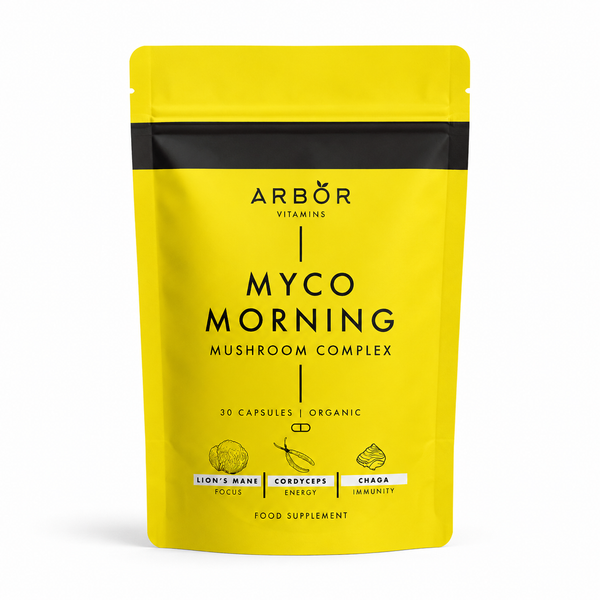
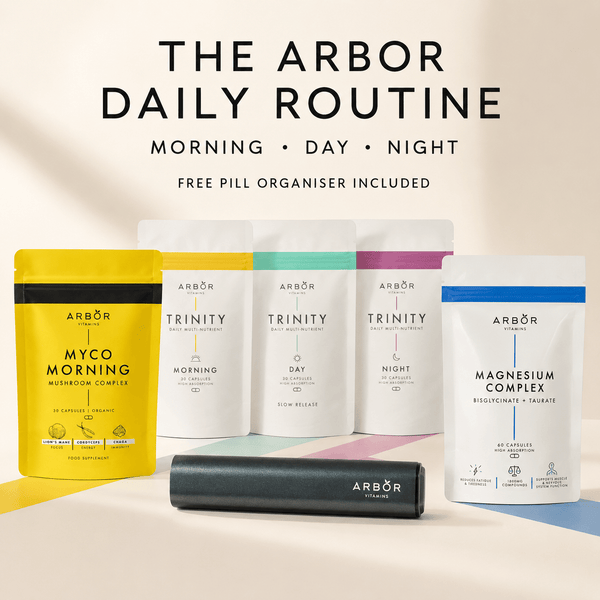
MYCO Morning by Arbor Vitamins combines organic Cordyceps, Lion’s Mane and Chaga fruiting-body extracts in a convenient, caffeine-free capsule.
The three mushrooms have been selected to provide a broader functional mushroom blend:
-
Cordyceps is primarily researched for exercise tolerance, physical performance and recovery.
-
Lion’s Mane is studied mainly for cognitive function and mental performance.
-
Chaga contains naturally occurring polysaccharides and other compounds being investigated for antioxidant and immune-related activity.
MYCO Morning does not contain caffeine or stimulant ingredients, so it should not be expected to create the immediate effect associated with coffee or a conventional pre-workout supplement.
As with any functional mushroom product, follow the recommended serving and speak to a pharmacist or GP before taking it if you use regular medication or have an existing health condition.
[
Further Reading
Learn More About Functional Mushrooms
-
Lion’s Mane Benefits: What Does the Evidence Say?
-
Lion’s Mane Dosage: How Much to Take, When to Take It and How Long It Takes to Work
-
Lion’s Mane Side Effects: Is It Safe?
-
What Are Functional Mushrooms?
-
Do Mushroom Supplements Interact With Medications?
Understand Mushroom Supplement Quality
-
Fruiting Body vs Mycelium: What’s the Difference?
-
Best Functional Mushroom Extraction Methods Explained
-
How to Choose a High-Quality Mushroom Supplement
References
-
Chen S, Li Z, Krochmal R, Abrazado M, Kim W, Cooper CB. Effect of Cs-4 (Cordyceps sinensis) on exercise performance in healthy older subjects: a double-blind, placebo-controlled trial. Journal of Alternative and Complementary Medicine. 2010.
-
Parcell AC, Smith JM, Schulthies SS, Myrer JW, Fellingham G. Cordyceps sinensis (CordyMax Cs-4) supplementation does not improve endurance exercise performance. International Journal of Sport Nutrition and Exercise Metabolism. 2004.
-
Hirsch KR, Smith-Ryan AE, Roelofs EJ, Trexler ET, Mock MG. Cordyceps militaris improves tolerance to high-intensity exercise after acute and chronic supplementation. Journal of Dietary Supplements. 2017.
-
Kang HJ, Baik HW, Kim SJ, et al. Cordyceps militaris enhances cell-mediated immunity in healthy Korean men. Journal of Medicinal Food. 2015.
-
Jung SJ, Jung ES, Choi EK, et al. Immunomodulatory effects of a mycelium extract of Cordyceps sinensis (CBG-CS-2): a randomised and double-blind clinical trial. 2019.
-
Ontawong A, Pengnet S, Thim-Uam A, et al. A randomised controlled clinical trial examining the effects of a Cordyceps militaris beverage on the immune response in healthy adults. Scientific Reports. 2024.
-
Nakamura A, et al. Effect of the administration of Cordyceps militaris mycelium extract on markers of anaemia and muscle injury in long-distance runners during pre-season training. 2024.
-
Dewi L, et al. Cordyceps sinensis accelerates stem-cell recruitment to skeletal muscle after high-intensity interval exercise in humans. Food & Function. 2024.
This article is for general information only and does not replace individual medical advice. Speak to a healthcare professional before taking Cordyceps if you use prescription medication, are pregnant or breastfeeding, or have an existing medical condition.