Best Supplements to Take with Mirtazapine (and Which Ones to Avoid)
Quick Answer
Yes, most people can safely take supplements while taking mirtazapine.
Mirtazapine isn't known to routinely cause vitamin or mineral deficiencies. However, some supplements can interact with mirtazapine or increase the risk of side effects, particularly those that cause drowsiness. Many people also look for supplements to support their overall wellbeing, focus, energy or nutritional intake while taking the medication.
That doesn't mean everyone taking mirtazapine needs supplements. The right choice depends on your symptoms, diet, lifestyle, overall health and any other medicines you're taking.
In this guide, we'll explain:
-
Which supplements may be worth considering.
-
Which supplements should be avoided or used with caution.
-
How to choose high-quality supplements that complement a healthy lifestyle.
-
When it's worth speaking to your GP or pharmacist.
Pharmacist's Verdict
| Question | Answer |
|---|---|
| Can I take supplements with mirtazapine? | ✅ Yes, in most cases. |
| Does mirtazapine cause vitamin deficiencies? | ❌ Not routinely. |
| Are there supplements that may support overall wellbeing? | ✅ Yes, depending on your individual needs. |
| Are there supplements that should be avoided? | ✅ Yes — particularly supplements that may increase drowsiness or interact with mirtazapine. |

Where Should You Start?
If you're taking mirtazapine, the best supplements are those that support your overall health without adding to unwanted side effects. Many people taking mirtazapine are looking to maintain their energy levels, cognitive performance and nutritional intake while following their prescribed treatment.
| Supplement | When to consider it | Why? |
|---|---|---|
| Functional mushrooms | If you're looking to support focus, concentration or daytime performance | Lion's mane, cordyceps and chaga are popular choices for supporting cognitive performance as part of a healthy lifestyle. |
| High-quality multivitamin | If you're looking for general nutritional support | Helps support your daily intake of essential vitamins and minerals. |
| Magnesium | If your dietary intake is low | Contributes to normal psychological function, normal nervous system function and the reduction of tiredness and fatigue. |
| Vitamin D | If you have limited sun exposure or are at risk of deficiency | Supports normal immune function, muscle function and bone health. |
| Omega-3 | If you don't regularly eat oily fish | Supports normal heart function and forms part of a balanced, healthy diet. |
The next section explains which of these supplements may be appropriate, what to look for when choosing them and which supplements should be used with caution while taking mirtazapine.
Supplements That May Be Worth Considering
Functional Mushrooms
Because mirtazapine can cause drowsiness in some people, many look for ways to support their focus, concentration and daytime wellbeing. Functional mushrooms such as lion's mane, cordyceps and chaga are increasingly popular for supporting cognitive performance as part of a healthy lifestyle.
While they aren't intended to treat depression or improve the effects of mirtazapine, they may be a useful addition to your overall wellbeing routine.
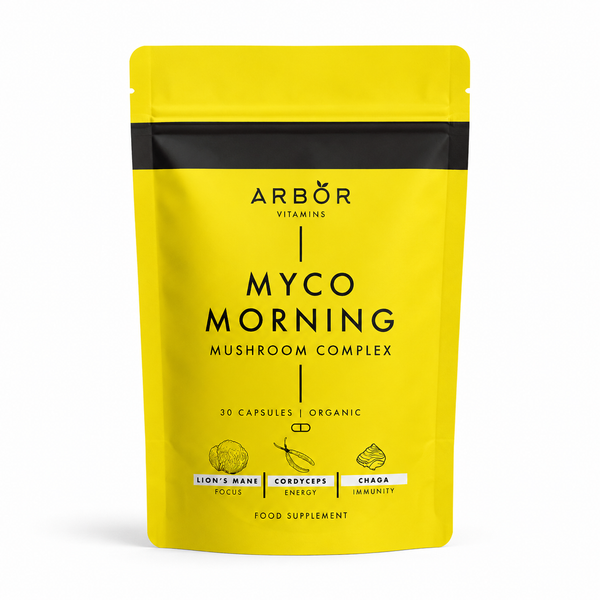
(MYCO Morning contains organic lion's mane, cordyceps and chaga mushroom extracts, with no fillers or unnecessary additives.)
A High-Quality Multivitamin
A well-formulated multivitamin can help support your overall nutritional intake, particularly if your diet is inconsistent or your appetite has changed. Look for one that uses bioavailable nutrient forms, avoids unnecessary fillers and provides balanced nutritional support.
(TRINITY is pharmacist formulated, uses bioavailable nutrient forms and separates nutrients across Morning, Day and Night formulations.)
Magnesium
Magnesium isn't routinely recommended because you're taking mirtazapine, but it may be worth considering if your dietary intake is low or you're looking to support normal psychological function, nervous system function and the reduction of tiredness and fatigue.
(Magnesium Complex contains magnesium bisglycinate and magnesium taurate with no magnesium oxide.)
Omega-3
If you don't regularly eat oily fish, an omega-3 supplement may help support your overall nutritional intake. Omega-3 fatty acids contribute to normal heart function as part of a balanced, healthy diet.
Vitamin D
Vitamin D deficiency is common in the UK. If you have limited sun exposure, have previously been advised your levels are low or are at increased risk of deficiency, supplementation may be appropriate.
Supplements to Avoid (or Use with Caution)
Most supplements can be taken safely with mirtazapine. However, some may increase drowsiness or interact with the medication, so they're best used with caution.
| Supplement | Recommendation | Why? |
|---|---|---|
| St John's wort | ⛔ Avoid | St John's wort may interact with mirtazapine and could increase the risk of side effects or serotonin syndrome. |
| 5-HTP | ⚠️ Avoid unless advised | 5-HTP affects serotonin levels and shouldn't routinely be combined with antidepressants unless advised by a specialist. |
| L-Tryptophan | ⚠️ Avoid unless advised | L-tryptophan may increase serotonin activity and isn't generally recommended alongside mirtazapine. |
| Sedative herbal supplements | ⚠️ Use with caution | Herbs such as valerian or kava may increase drowsiness when taken with mirtazapine. |
If you're considering a supplement to help with sleep, anxiety or mood, check with your GP or pharmacist first. Some products may make you feel even sleepier or interact with your prescribed medication.
When Is It Worth Seeking Advice?
Most people can take supplements safely alongside mirtazapine. However, it's worth speaking to your GP or pharmacist if:
-
You're considering a supplement for sleep, mood or anxiety.
-
You're taking several supplements alongside mirtazapine.
-
You've noticed increased drowsiness or other new side effects after starting a supplement.
-
You're pregnant, breastfeeding or planning a pregnancy.
-
You have liver disease, kidney disease or another long-term medical condition.
-
You're taking other medicines that affect the brain or central nervous system.
If you become unusually drowsy, confused or experience severe side effects after combining mirtazapine with another medicine or supplement, seek medical advice promptly.
Your healthcare professional can help you choose supplements that support your overall wellbeing while minimising the risk of unwanted interactions or excessive sedation.
Frequently Asked Questions
Can I take supplements with mirtazapine?
Yes. Most supplements can be taken safely with mirtazapine, but supplements that cause drowsiness or affect serotonin should be used with caution.
What are the best supplements to take with mirtazapine?
A high-quality multivitamin, functional mushrooms, magnesium, omega-3 and vitamin D may be worth considering depending on your diet, lifestyle and wellbeing goals.
Can I take functional mushrooms with mirtazapine?
Yes. There are no well-established interactions between mirtazapine and functional mushrooms such as lion's mane, cordyceps or chaga. They aren't a treatment for depression, but some people use them to support focus and everyday wellbeing.
Can I take magnesium with mirtazapine?
Yes. Magnesium can generally be taken safely with mirtazapine. It may be appropriate if your dietary intake is low or you're looking to support normal psychological and nervous system function.
Can I take valerian with mirtazapine?
Use caution. Valerian may increase drowsiness when taken with mirtazapine, so it's best to speak to your GP or pharmacist before combining them.
Can I take St John's wort with mirtazapine?
No, unless specifically advised by a healthcare professional. St John's wort can interact with antidepressants and may increase the risk of side effects.
Can I take 5-HTP with mirtazapine?
5-HTP is not routinely recommended with mirtazapine because it can affect serotonin levels. Speak to your GP or pharmacist before considering it.
Can I take vitamin D with mirtazapine?
Yes. Vitamin D can generally be taken safely with mirtazapine and may be appropriate if you have low vitamin D levels or are at increased risk of deficiency.
Should I stop taking mirtazapine if I want to take supplements?
No. Continue taking mirtazapine exactly as prescribed. If you're unsure whether a supplement is suitable, speak to your GP or pharmacist before starting it.