Hair Loss on Ozempic, Mounjaro, Wegovy or Zepbound: Why It Happens and What Can Help
Noticing more hair in the shower, on your brush or around the house after starting Ozempic, Mounjaro, Wegovy or Zepbound?
Hair shedding has been reported by people using GLP‑1-based weight-loss medicines. The medication may not be damaging the hair follicle directly, but rapid weight loss, reduced food intake and the physical stress placed on the body can all disrupt the normal hair-growth cycle.
Nutrient deficiencies can contribute—but they are not the only possible explanation.
The quick answer
Hair shedding during weight loss is often consistent with telogen effluvium. This is a temporary form of hair shedding that can occur after:
-
Rapid or substantial weight loss
-
A significant calorie deficit
-
Low protein intake
-
Iron deficiency
-
Illness, surgery or physical stress
-
Starting a new medication
-
Major hormonal changes
The shedding often begins around three months after the trigger, so it may not appear immediately after starting treatment.
Clinical trials have also recorded hair loss more frequently in people taking Wegovy and Zepbound than in placebo groups. The prescribing information associates these reports with weight reduction, although the exact mechanism has not been fully established.

Why can hair shedding happen during GLP‑1 treatment?
1. Rapid weight loss
Hair is not essential for immediate survival. When the body experiences rapid weight loss or a prolonged energy deficit, it can redirect resources towards vital organs and move more hair follicles into their resting phase.
Several months later, those hairs begin to shed.
2. Eating less protein
GLP‑1 medicines reduce appetite, which can make it difficult to eat enough food overall. Protein intake can fall particularly quickly.
Hair shafts are made largely from keratin, a type of protein. If you consistently consume too little protein, hair may become finer, weaker or more prone to shedding.
3. Iron deficiency
Low iron stores—often measured using ferritin—are one possible contributor to diffuse hair loss.
The risk may be greater if you:
-
Menstruate heavily
-
Follow a vegetarian or vegan diet
-
Have reduced your intake of red meat or other iron-rich foods
-
Already had low iron before beginning treatment
-
Experience persistent gastrointestinal symptoms
A multivitamin is not a substitute for diagnosing or treating iron-deficiency anaemia. If iron deficiency is suspected, speak to your GP or prescriber about appropriate blood tests.
4. A less varied diet
Eating smaller portions is not necessarily a problem, but eating a very narrow range of foods can reduce your intake of nutrients involved in normal hair growth.
These may include:
-
Iron
-
Zinc
-
Vitamin B12
-
Folate
-
Vitamin D
-
Selenium
-
Essential fatty acids
This does not mean that taking more of every nutrient will improve your hair. Both deficiencies and excessive supplementation can cause problems. Too much selenium or preformed vitamin A, for example, may itself contribute to hair loss.
5. Ongoing nausea, vomiting or diarrhoea
Persistent side effects can make it difficult to eat and drink consistently. If you regularly cannot meet your nutritional needs, speak to your prescriber rather than trying to compensate with an increasingly large supplement stack.
What should you do about GLP‑1 hair loss?
Prioritise protein
Include a protein source whenever you eat. Depending on your preferences, this might include:
-
Eggs
-
Greek yoghurt or cottage cheese
-
Chicken, fish or lean meat
-
Tofu, tempeh or edamame
-
Lentils, beans or chickpeas
-
A protein shake when solid food is difficult
Around 20–30g of protein at a main meal is a useful practical target for many adults, although your individual requirements depend on your weight, age, activity level and medical history.
Avoid excessively restrictive dieting
GLP‑1 medication already reduces appetite. Combining it with a very low-calorie or highly restrictive diet may increase the nutritional and physical stress placed on the body.
If you are losing weight extremely quickly or struggling to eat enough, speak to your prescriber or a registered dietitian.
Consider whether blood tests are needed
Hair loss has many possible causes. Depending on your symptoms and medical history, a healthcare professional may consider tests such as:
-
Full blood count
-
Ferritin and iron studies
-
Vitamin B12 and folate
-
Vitamin D
-
Thyroid function
Correcting an identified deficiency is more useful than taking high doses of nutrients without knowing whether you need them.
Use supplements to fill gaps—not replace food
A well-formulated multivitamin may help cover common micronutrient gaps when your appetite and portion sizes have fallen.
It cannot provide the protein or energy your body needs, and it should not be presented as a treatment for hair loss or a confirmed deficiency.
Be gentle with your hair
While shedding is active:
-
Avoid tight hairstyles
-
Limit harsh bleaching and chemical treatments
-
Reduce excessive heat styling
-
Brush gently
-
Avoid repeatedly checking or pulling at the hair
These steps will not change the underlying hair cycle, but they can reduce unnecessary breakage.
 Where TRINITY may fit
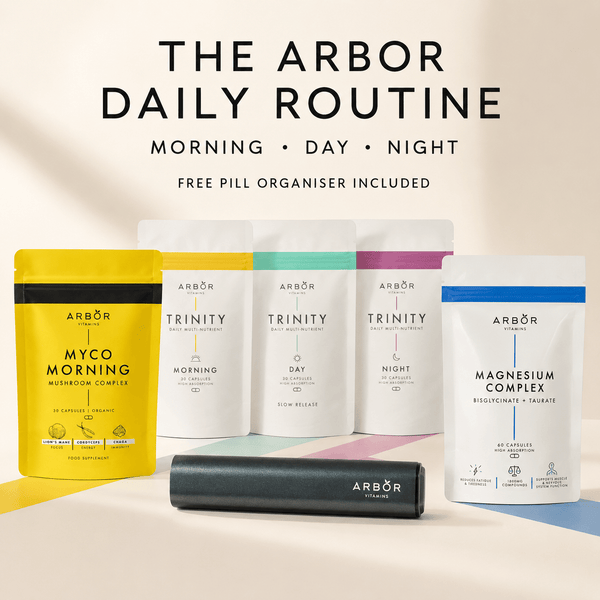
TRINITY Multi‑Nutrients was formulated by a clinical pharmacist to provide broad vitamin and mineral coverage across three daily capsules: Morning, Day and Night.
It includes nutrients such as:
-
Iron bisglycinate
-
Zinc bisglycinate
-
Selenium
-
Vitamin D3
-
Vitamin B12 as methylcobalamin
-
Folate as 5‑MTHF
-
Biotin
-
Vitamin C
Rather than placing every ingredient into one tablet, TRINITY separates its formula across the day.
It may be useful for people who are eating less and want convenient, broad micronutrient coverage. However, TRINITY does not provide protein, cannot guarantee that hair shedding will stop and is not a treatment for iron deficiency or any other diagnosed condition.
TRINITY contains iron and is not suitable for everyone. Check suitability with a pharmacist or other healthcare professional if you take medication, have an existing medical condition, are pregnant or already use other supplements.
Explore TRINITY Multi‑Nutrients
When should you speak to a healthcare professional?
Arrange an assessment if:
-
Hair loss is severe or continues for more than six months
-
You develop completely bald patches
-
Your scalp is painful, inflamed, itchy or scaly
-
Your eyebrows or eyelashes are also affected
-
You have significant fatigue, breathlessness or palpitations
-
You cannot eat adequately because of treatment side effects
-
You are concerned about how quickly you are losing weight
Do not stop prescribed medication without speaking to your prescriber.
Frequently asked questions
Does Ozempic cause hair loss?
Hair loss has been reported during treatment with GLP‑1-based medicines, particularly when they are used for weight reduction. Rapid weight loss, reduced food intake and physiological stress may contribute, but it is not accurate to assume that every case is caused by a nutrient deficiency.
Will my hair grow back?
Telogen effluvium usually improves once the underlying trigger has settled. The shedding phase commonly lasts between three and six months, but restoring the hair’s previous volume can take considerably longer.
Recovery is not guaranteed in every case because other forms of hair loss can occur at the same time.
What is the best supplement for GLP‑1 hair loss?
There is no single best supplement. The priority is to consume enough protein and identify any genuine deficiency.
A broad multivitamin can help cover dietary gaps, but confirmed iron, vitamin B12 or vitamin D deficiency may require specific treatment from a healthcare professional.
Should I take biotin?
Biotin deficiency is uncommon, and taking very high doses is unlikely to help unless you are genuinely deficient. High-dose biotin can also interfere with certain blood tests, including some thyroid tests, so always tell your healthcare professional what supplements you take.
Does collagen help with hair loss?
Collagen provides amino acids, but evidence that collagen supplements prevent GLP‑1-related hair shedding is limited. It will not correct low iron, thyroid disease or an inadequate overall diet.
Should I stop taking my GLP‑1 medication?
Do not stop prescribed treatment without speaking to your prescriber. They can assess the rate of weight loss, side effects, diet and other possible causes of shedding.
Learn more
Read our guide to taking supplements with GLP‑1 medications.
References
Written and medically reviewed by Jon Wright, Clinical Pharmacist and Co-founder of Arbor Vitamins. Last reviewed August 2026.
This article is for general information and is not a substitute for individual medical advice, diagnosis or treatment.