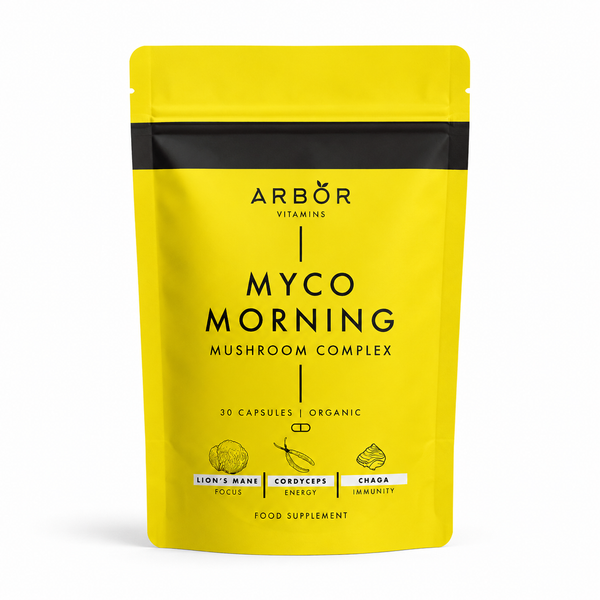
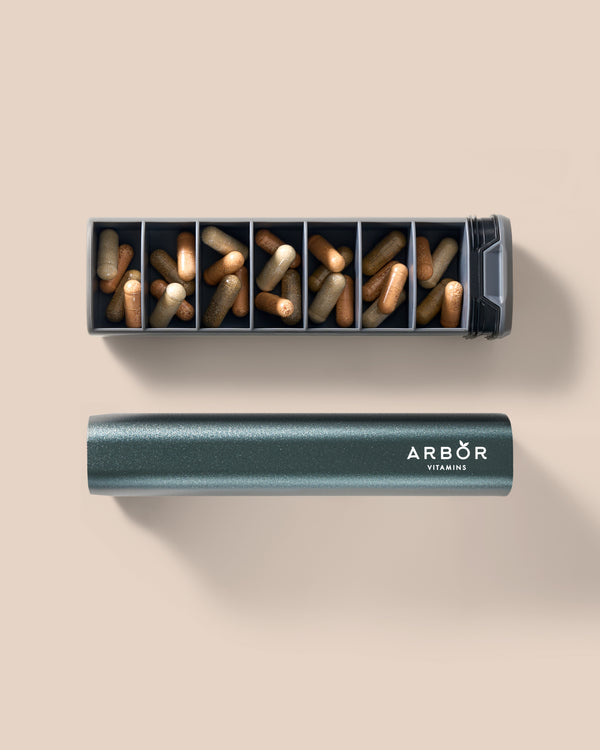
With so many supplements on the market, it’s natural to wonder: are capsules actually safe? The short answer is yes — when made properly. But not all capsules are created equal. Safety depends largely on the quality of the brand and what they choose to put inside them.
🧬 What Are Supplement Capsules Made From?
Most supplement capsules are either:
-
Gelatine-based → made from animal by-products (not suitable for vegans/vegetarians)
-
Vegetable-based (HPMC) → made from plant cellulose, clean and vegan-friendly
The capsule shell itself is usually inert — its job is simply to hold and protect the nutrients until you swallow them. What really matters is the formulation inside the capsule.
⚠️ Capsules Are Generally Safe — But It Depends on the Brand
Capsules are one of the safest ways to deliver supplements, but quality varies. Problems can arise when brands cut corners:
1. Hidden Fillers and Additives
Some companies pad out capsules with ingredients like:
-
Maltodextrin
-
Magnesium stearate
-
Silicon dioxide
-
Artificial colourings and flavourings
These don’t add nutritional value. They simply make the product cheaper to manufacture — while taking up space that should be reserved for nutrients.
2. Low-Quality Nutrient Forms
Many multivitamins use cheaper, less absorbable forms — like magnesium oxide (poorly absorbed, can upset digestion) or folic acid instead of bioactive methylfolate. This means the label looks impressive, but your body can’t use much of it.
3. Clashing Nutrients
One-a-day capsules often combine nutrients that directly compete — like iron and calcium — making absorption far less effective.
📉 Why Tablets Are Worse Than Capsules
If capsules have risks when made poorly, tablets take things further. Here’s why:
-
More additives required → tablets need binders, coatings, and compression agents just to hold their shape.
-
Harder to break down → some tablets pass through the digestive tract without fully dissolving.
-
More clashes in “all-in-one” formats → nutrients are often compressed together, regardless of compatibility.
-
Artificial coatings → to improve colour, gloss, or swallowability, which add no nutritional value.
Compared to gummies or tablets, capsules are almost always cleaner, gentler, and more effective — but only if they’re formulated well.
✅ Why TRINITY by Arbor Vitamins Is the Safe Choice
TRINITY was created to avoid all the pitfalls of conventional capsules and tablets:
-
✅ Vegetable cellulose capsules (vegan-friendly, no gelatine)
-
✅ No fillers, binders, or additives — no maltodextrin, magnesium stearate, or seed oils
-
✅ Bioavailable nutrient forms — iron bisglycinate, methylfolate, magnesium glycinate
-
✅ Timed formulas — morning, day, and night, separating nutrients so they don’t clash
-
✅ Gentle on digestion — carefully balanced for optimal absorption

🧠 Summary
Capsules are generally the safest and cleanest supplement format — but quality depends on the brand. Look for capsules with no fillers, no cheap nutrient forms, and no nutrient clashes.
Tablets, on the other hand, are typically packed with binders and harder to absorb, making them a poor choice for anyone who wants real nutritional support.
TRINITY sets the standard with filler-free, vegan capsules that deliver nutrients in their most bioavailable forms, exactly when your body needs them.
❓ FAQs: Supplement Capsule Safety
Q: Are capsule supplements safe to take every day?
A: Yes — provided they’re made with high-quality ingredients and no unnecessary fillers.
Q: Are capsules better than tablets?
A: Yes — capsules require fewer additives, dissolve better, and protect nutrients more effectively than tablets.
Q: Can capsules upset your stomach?
A: Poor-quality capsules can, but TRINITY uses gentle forms like magnesium glycinate and iron bisglycinate to support digestion.
Q: Are vegetable capsules vegan?
A: Yes — HPMC capsules are plant-based and suitable for vegans.