Best Functional Mushroom Extraction Methods Explained (Which Is Best?)
Quick Answer
There isn't a single "best" mushroom extraction method. The ideal technique depends on the mushroom species and the naturally occurring compounds you're trying to extract.
For example, hot water extraction has long been used to extract water-soluble compounds such as beta-glucans, while alcohol extraction is better suited to certain alcohol-soluble compounds found in some mushrooms. More advanced techniques, such as ultrasonic-assisted extraction, may also be used alongside traditional methods to improve extraction efficiency.
This is why many high-quality mushroom supplements don't rely on just one extraction technique. Instead, manufacturers may combine different methods to produce a more comprehensive extract.
In this guide, we'll explain:
-
Why mushroom extraction is important.
-
The most common extraction methods used today.
-
The advantages and limitations of each technique.
-
How to identify a high-quality mushroom supplement.
At a Glance
| Question | Answer |
|---|---|
| Do mushrooms need to be extracted? | ⚠️ Often, yes. Extraction helps release naturally occurring bioactive compounds from the mushroom's tough cell walls. |
| Is hot water extraction the best method? | ✅ It's excellent for extracting water-soluble compounds such as beta-glucans, but it isn't always the complete answer. |
| Is dual extraction always better? | ❌ Not necessarily. The most appropriate method depends on the mushroom species and the compounds being targeted. |
| What matters most? | ✅ Choosing a supplement from a manufacturer that clearly explains its extraction methods, sourcing and quality standards. |
Why Do Functional Mushrooms Need to Be Extracted?
Unlike many plants, mushrooms have tough cell walls made primarily from chitin—the same structural material found in the shells of crustaceans and the exoskeletons of insects. While chitin helps protect the mushroom as it grows, it can also make it more difficult to access some of its naturally occurring compounds.
Extraction is used to help break down these cell walls and release compounds that are naturally present within the mushroom, such as beta-glucans, polysaccharides and, depending on the species, other bioactive constituents.
Different extraction methods target different groups of compounds. This is why the same extraction process isn't necessarily suitable for every mushroom.
Why this matters
A mushroom supplement isn't just defined by which mushroom it contains—it's also influenced by how that mushroom has been processed.
For example, manufacturers may use:
-
Hot water extraction to release water-soluble compounds such as beta-glucans.
-
Alcohol extraction to extract compounds that are less soluble in water.
-
Dual extraction to combine both approaches.
-
Ultrasonic-assisted extraction alongside traditional methods to improve extraction efficiency.
In the next section, we'll compare the most common mushroom extraction methods side by side, explaining the strengths and limitations of each.
Comparing the Most Common Mushroom Extraction Methods
Not all mushroom extracts are produced in the same way. Each extraction method has its own strengths, and the most appropriate approach depends on the mushroom species and the compounds the manufacturer is aiming to preserve or extract.
| Extraction Method | Best For | Advantages | Limitations |
|---|---|---|---|
| Hot Water Extraction | Water-soluble compounds such as beta-glucans | Traditional, well-established method that efficiently extracts beta-glucans and polysaccharides. | Doesn't efficiently extract alcohol-soluble compounds. |
| Alcohol Extraction | Alcohol-soluble compounds such as certain triterpenes | Useful for mushrooms containing compounds that aren't readily extracted with water alone. | Doesn't extract beta-glucans as effectively on its own. |
| Dual Extraction | Broad-spectrum extracts | Combines hot water and alcohol extraction to obtain a wider range of naturally occurring compounds. | More complex and time-consuming manufacturing process. |
| Ultrasonic-Assisted Extraction | Improving extraction efficiency | Uses high-frequency sound waves to help break down mushroom cell walls and enhance the release of naturally occurring compounds. Often used alongside other extraction methods rather than as a standalone technique. | Quality depends on how it's applied and should complement—not replace—other established extraction methods. |
Which Method Is Best?
There isn't a universal winner.
The best manufacturers choose an extraction method based on the mushroom species, the compounds they're targeting and the intended formulation, rather than relying on a single technique for every product.
For example, it's increasingly common to combine traditional extraction methods with newer technologies, such as ultrasonic-assisted extraction, to optimise the extraction process while maintaining product quality. This is why it's worth looking beyond marketing claims and choosing brands that clearly explain how and why they extract their mushrooms.
Hot Water Extraction
Hot water extraction is the most widely used and well-established extraction method for functional mushrooms. It has been used for centuries in traditional mushroom preparations and remains one of the most important techniques used by modern manufacturers.
The process involves heating mushrooms in water under carefully controlled conditions. This helps break down the mushroom's tough chitin cell walls and release water-soluble compounds, including beta-glucans and other naturally occurring polysaccharides.
Advantages of Hot Water Extraction
-
Well-established extraction method with a long history of use.
-
Particularly effective for extracting beta-glucans.
-
Suitable for many popular functional mushrooms, including Lion's Mane, Chaga and Turkey Tail.
-
Produces concentrated extracts that are easier to incorporate into supplements.
Limitations
While hot water extraction is excellent for water-soluble compounds, it doesn't extract every naturally occurring compound found in mushrooms. Some constituents are more soluble in alcohol, which is why certain mushroom species may benefit from alternative or complementary extraction methods.
Pharmacist's Perspective
Hot water extraction remains one of the most important indicators of a quality mushroom supplement, particularly when the product is designed to provide beta-glucans. However, it shouldn't be viewed as the only marker of quality. The mushroom species, sourcing, testing and overall manufacturing process are equally important when assessing a supplement.
Ultrasonic-Assisted Extraction
Ultrasonic-assisted extraction is a modern technique used by some manufacturers to improve the efficiency of the extraction process.
Rather than relying on heat or solvents alone, it uses high-frequency sound waves to create microscopic bubbles within the extraction liquid. As these bubbles rapidly form and collapse—a process known as cavitation—they help disrupt the mushroom's tough cell walls, allowing naturally occurring compounds to be released more efficiently.
Importantly, ultrasonic extraction isn't usually used instead of traditional extraction methods. Instead, it's commonly used alongside techniques such as hot water extraction to help optimise the extraction process.
Potential Advantages
-
Helps break down tough mushroom cell walls.
-
May improve the release of naturally occurring bioactive compounds.
-
Can complement traditional extraction methods rather than replace them.
-
Widely used in modern food, pharmaceutical and botanical extraction processes.
Are There Any Limitations?
Ultrasonic extraction isn't a guarantee of a better supplement. The quality of the final product still depends on factors such as:
-
The mushroom species used.
-
Whether fruiting body, mycelium or both are extracted.
-
The overall manufacturing process.
-
Independent quality testing.
-
The manufacturer's transparency.
Why Do Some Manufacturers Combine Extraction Methods?
Because different extraction techniques have different strengths, many manufacturers combine them to produce a more comprehensive extract.
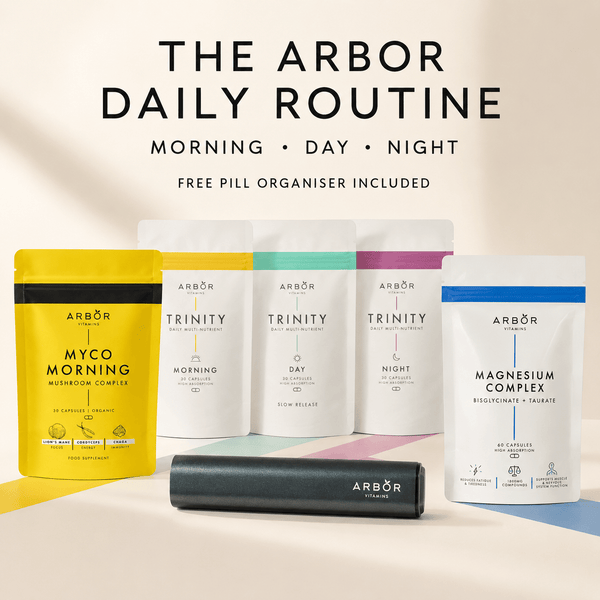
For example, MYCO Morning uses hot water extraction for Lion's Mane and Chaga, while Cordyceps undergoes hot water extraction combined with ultrasonic-assisted extraction. This allows each mushroom to be processed using an extraction method suited to its formulation rather than applying a one-size-fits-all approach.
Dual Extraction
Dual extraction combines hot water extraction and alcohol extraction to produce a broader-spectrum mushroom extract.
The reason for using two methods is simple: different naturally occurring compounds dissolve in different ways. Hot water is effective for extracting compounds such as beta-glucans, while alcohol can extract compounds that are less water-soluble, including certain triterpenes found in mushrooms such as Reishi.
This means dual extraction may provide a wider range of naturally occurring compounds than hot water or alcohol extraction alone, depending on the mushroom species.
Advantages of Dual Extraction
-
Combines the strengths of hot water and alcohol extraction.
-
Can produce a broader-spectrum extract for certain mushroom species.
-
Particularly relevant for mushrooms that contain valuable water- and alcohol-soluble compounds.
Limitations
Dual extraction isn't automatically superior for every mushroom. Some species are primarily valued for compounds that are effectively extracted using hot water alone, while others may benefit from combining extraction methods.
It's also worth remembering that extraction is only one part of the equation. A dual-extracted product made from poor-quality raw material may still be inferior to a well-manufactured hot water extract from high-quality mushrooms.
Pharmacist's Perspective
The best manufacturers don't choose an extraction method because it's fashionable—they choose it because it's appropriate for the mushroom they're using.
When assessing a mushroom supplement, look for brands that explain why a particular extraction method has been chosen rather than simply using terms such as "dual extracted" as a marketing claim.
How to Choose the Best Functional Mushroom Supplement
Understanding extraction methods is useful, but it's only one piece of the puzzle. A high-quality mushroom supplement should combine appropriate extraction techniques with transparent sourcing, evidence-based formulation and rigorous quality standards.
Before You Buy, Check the Label
Use this checklist when comparing products:
| ✔ Check | Why It Matters |
|---|---|
| The mushroom species is clearly stated | Different mushrooms contain different naturally occurring compounds and shouldn't be treated as interchangeable. |
| The part of the mushroom is disclosed | A reputable manufacturer should clearly state whether the supplement contains fruiting body, mycelium or both. |
| The extraction method is explained | Quality brands are transparent about how their mushrooms are processed. |
| The product avoids unnecessary fillers | A simpler, more transparent formulation makes it easier to understand what you're taking. |
| The manufacturer provides quality information | Independent testing, sourcing information and clear labelling all demonstrate transparency. |
Pharmacist's Bottom Line
There isn't a single extraction method that's best for every functional mushroom.
Instead, the highest-quality supplements are made by manufacturers who choose the right extraction method for each mushroom, clearly explain their processes and are transparent about exactly what's in the finished product.
Whether that's hot water extraction, dual extraction, ultrasonic-assisted extraction or a combination of techniques, the goal should always be the same: producing a consistent, high-quality extract backed by good manufacturing practices rather than marketing claims alone.

Frequently Asked Questions
What is the best extraction method for functional mushrooms?
There isn't one extraction method that's best for every mushroom. The most appropriate technique depends on the mushroom species and the naturally occurring compounds being targeted. High-quality manufacturers often combine extraction methods where appropriate.
Is hot water extraction enough?
For many mushrooms, hot water extraction is highly effective and is the preferred method for extracting water-soluble compounds such as beta-glucans. However, some mushroom species also contain compounds that may benefit from additional extraction techniques.
Is dual extraction always better?
Not necessarily. Dual extraction can provide a broader-spectrum extract for certain mushrooms, but it isn't automatically superior. The quality of the raw material, manufacturing process and transparency of the brand are just as important.
What is ultrasonic-assisted extraction?
Ultrasonic-assisted extraction uses high-frequency sound waves to help break down mushroom cell walls and improve extraction efficiency. It's typically used alongside traditional methods such as hot water extraction rather than replacing them.
Do all mushroom supplements use the same extraction method?
No. Different manufacturers use different techniques depending on the mushroom species, their formulation philosophy and the compounds they wish to extract. Reputable brands should clearly explain the methods they use.
Should I choose fruiting body or mycelium?
Neither is automatically better. Both contain naturally occurring bioactive compounds, but product quality depends on much more than the part of the mushroom used. Transparency around sourcing, extraction methods and quality testing is usually a better indicator of a high-quality supplement.
How can I tell if a mushroom supplement is high quality?
Look for products that clearly state:
-
The mushroom species.
-
Whether they use fruiting body, mycelium or both.
-
The extraction method.
-
Independent quality testing, where available.
-
Transparent ingredient lists with no unnecessary fillers.
Why does extraction matter?
Mushrooms have tough cell walls made from chitin. Extraction helps release naturally occurring compounds from within these cell walls, making them available in the finished extract.
Further Reading
Continue learning with our evidence-based mushroom guides:
-
Fruiting Body vs Mycelium: What's the Difference?
-
How to Choose a High-Quality Mushroom Supplement
-
Do Mushroom Supplements Interact with Medications?
-
Lion's Mane Benefits: What Does the Evidence Say?
-
Chaga Benefits: What Does the Evidence Say?
-
Cordyceps Benefits: What Does the Evidence Say?
-
Reishi Benefits: What Does the Evidence Say?
References
-
Wasser SP. Medicinal Mushrooms as a Source of Biologically Active Compounds.
-
Friedman M. Chemistry, Nutrition, and Health-Promoting Properties of Edible Mushrooms.
-
Hobbs C. Medicinal Mushrooms: The Essential Guide.
-
European Food Safety Authority (EFSA). Scientific opinions relating to beta-glucans.
-
Memorial Sloan Kettering Cancer Center. About Herbs: Medicinal Mushrooms.
-
Chemat F, et al. Ultrasound-Assisted Extraction of Food and Natural Products: Mechanisms, Techniques and Applications.