Best Supplements to Take with Omeprazole (and Which Ones to Avoid)
Quick Answer
Yes, most people can safely take supplements while taking omeprazole.
If you've been taking omeprazole for several months or years, it's worth paying closer attention to your nutritional intake. Long-term treatment has been associated with reduced absorption of certain nutrients in some people, particularly vitamin B12, magnesium, iron and calcium.
That doesn't mean everyone taking omeprazole needs supplements. The best supplements for you will depend on your diet, your overall health and whether you have any existing vitamin or mineral deficiencies.
In this guide, we'll explain:
-
Which supplements may be worth considering.
-
Which supplements are best avoided or used with caution.
-
How to choose supplements that genuinely add value.
-
When it's worth speaking to your GP or pharmacist.
Pharmacist's Verdict
| Question | Answer |
|---|---|
| Can I take supplements with omeprazole? | ✅ Yes, in most cases. |
| Should everyone take supplements? | ❌ No. |
| Are there nutrients worth paying attention to? | ✅ Vitamin B12, magnesium, iron and calcium. |
| Are there supplements to avoid? | ✅ Yes — we'll cover these later in the article. |
Which Supplements Are Worth Considering?
The right supplements depend on your individual circumstances, but these are the ones most commonly worth considering if you're taking omeprazole long term.
| Supplement | Who may benefit | Why it may help |
|---|---|---|
| High-quality multivitamin | Anyone looking to support their overall nutritional intake | Provides a broad range of vitamins and minerals, including nutrients commonly discussed during long-term omeprazole use. |
| Magnesium | Those with a low dietary intake or increased magnesium requirements | Long-term omeprazole use has been associated with low magnesium levels in a small number of people. |
| Vitamin B12 | Vegetarians, vegans, older adults and people taking omeprazole long term | Reduced stomach acid may make vitamin B12 from food harder to absorb over time. |
| Iron | People with diagnosed or suspected iron deficiency | Reduced stomach acid may affect iron absorption in some individuals. Iron should only be supplemented when clinically appropriate. |
| Vitamin D | Those with low sun exposure or an increased risk of deficiency | Vitamin D supports normal immune function, muscle function and the maintenance of normal bones. |
No single supplement is right for everyone. In the next section, we'll look at each option in more detail, who is most likely to benefit, and where Arbor's supplements may be appropriate.
Supplements That May Be Worth Considering
A High-Quality Multivitamin
For many people, a well-formulated multivitamin is the best place to start. Look for one that uses bioavailable nutrient forms, avoids unnecessary fillers and provides comprehensive nutritional support rather than focusing on a single ingredient.
(TRINITY is pharmacist formulated, uses bioavailable nutrient forms and separates nutrients across Morning, Day and Night formulations.)
Magnesium
Long-term omeprazole use has been associated with low magnesium levels in a small number of people. If you're considering a magnesium supplement, look for well-absorbed forms such as magnesium bisglycinate or magnesium taurate rather than magnesium oxide.
(Magnesium Complex contains magnesium bisglycinate and magnesium taurate with no magnesium oxide.)
Vitamin B12
If you've been taking omeprazole for a prolonged period or follow a vegetarian or vegan diet, vitamin B12 may be worth discussing with your GP or pharmacist. Supplementation isn't necessary for everyone but may be appropriate depending on your individual circumstances.
Vitamin D
If you have limited sun exposure, are at increased risk of vitamin D deficiency or have been advised your levels are low, vitamin D supplementation may be beneficial. Vitamin D is important for maintaining normal bones, muscles and immune function.
Probiotics
Although probiotics don't replace nutrients that may be affected by omeprazole, some people choose to take them to support their gut microbiome. The evidence is mixed, so they're not routinely recommended for everyone, but they may be worth discussing with your healthcare professional if you have ongoing digestive symptoms.
Supplements to Avoid (or Use with Caution)
Most supplements can be taken safely with omeprazole. However, a few are worth discussing with your GP or pharmacist before starting.
| Supplement | Should you avoid it? | Why? |
|---|---|---|
| Iron | ⚠️ Only take if needed | Iron supplements should generally only be taken if you have a confirmed deficiency or have been advised to take them by a healthcare professional. |
| Calcium | ⚠️ Use with caution | Calcium can reduce the absorption of some medicines if taken at the same time. Always check the advice for your other medications. |
| St John's wort | ⚠️ Avoid unless advised | St John's wort interacts with many prescription medicines and should only be taken after seeking professional advice. |
| High-dose supplements | ⚠️ Usually unnecessary | More isn't always better. Avoid taking multiple products containing the same vitamins and minerals unless recommended by a healthcare professional. |
For most people taking omeprazole, the biggest priority isn't avoiding supplements—it's choosing supplements that are appropriate for your individual health needs rather than taking products you don't need.
If you're ever unsure whether a supplement is suitable alongside your medication, your pharmacist is usually the best person to ask.
When Should You Speak to Your GP or Pharmacist?
While most people can safely take supplements alongside omeprazole, it's worth seeking professional advice if:
-
You've been taking omeprazole for several months or years and are concerned about your nutritional intake.
-
You think you may have a vitamin or mineral deficiency.
-
You're considering taking several supplements together.
-
You have kidney disease or another long-term medical condition.
-
You're pregnant or breastfeeding.
-
You're taking multiple prescription medicines.
Your GP or pharmacist may recommend dietary changes, blood tests or targeted supplementation depending on your individual circumstances. In many cases, a balanced diet and a well-chosen supplement are all that's needed—but it's always better to seek advice if you're unsure.
Frequently Asked Questions
Can I take supplements with omeprazole?
Yes. Most supplements can be taken safely with omeprazole. If you're taking several medicines or have a long-term medical condition, it's always worth checking with your GP or pharmacist before starting a new supplement.
What are the best supplements to take with omeprazole?
A high-quality multivitamin is a sensible starting point for many people. Depending on your individual needs, magnesium, vitamin B12, vitamin D or iron may also be appropriate.
Does omeprazole cause vitamin deficiencies?
Not necessarily. However, long-term omeprazole use has been associated with reduced absorption of nutrients such as vitamin B12, magnesium, iron and calcium in some people.
Can I take magnesium with omeprazole?
Yes. Magnesium supplements can generally be taken safely alongside omeprazole and may be appropriate if your dietary intake is low or you've been advised by a healthcare professional to increase your magnesium intake.
Can I take vitamin B12 with omeprazole?
Yes. Vitamin B12 supplements can generally be taken with omeprazole. If you've been taking omeprazole long term and are concerned about your vitamin B12 levels, speak to your GP or pharmacist.
Can I take vitamin D with omeprazole?
Yes. Vitamin D can generally be taken safely with omeprazole and may be recommended if you have low vitamin D levels or are at increased risk of deficiency.
Can I take iron with omeprazole?
Yes, but iron supplements should generally only be taken if you have a confirmed deficiency or have been advised to take them by a healthcare professional.
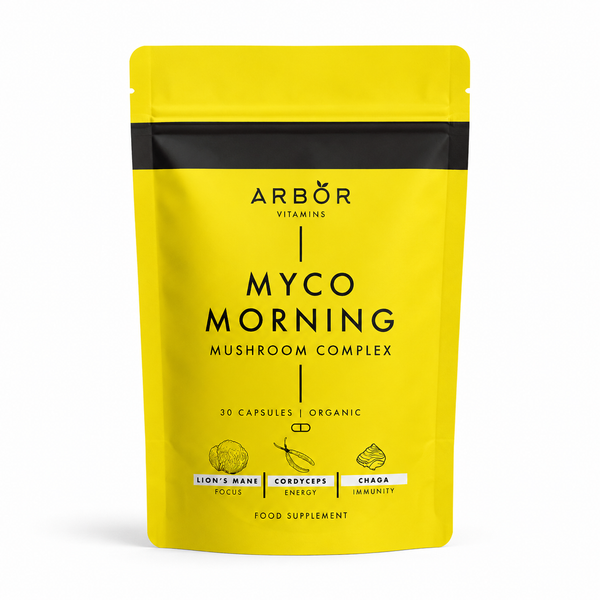
Can I take mushroom supplements with omeprazole?
Yes. There are no well-established interactions between omeprazole and functional mushroom supplements. However, mushroom supplements shouldn't be used as a substitute for vitamins and minerals that may be affected by long-term omeprazole use.
Should I stop taking omeprazole if I'm worried about vitamin absorption?
No. Continue taking omeprazole exactly as prescribed. If you have concerns about your nutritional intake or think you may have developed a deficiency, speak to your GP or pharmacist rather than stopping your medication.
Further Reading
If you found this guide helpful, you may also be interested in:
Related Medicines
-
Best Supplements to Take with Lansoprazole (and Which Ones to Avoid)
-
Best Supplements to Take with Pantoprazole (and Which Ones to Avoid)
-
Best Supplements to Take with Esomeprazole (and Which Ones to Avoid)
-
Best Supplements to Take with Proton Pump Inhibitors (PPIs) (Coming Soon)
-
Best Supplements to Take with Gastrointestinal Medicines (Coming Soon)
References
-
British National Formulary (BNF). Omeprazole.
-
National Institute for Health and Care Excellence (NICE). Gastro-oesophageal reflux disease and dyspepsia in adults: investigation and management.
-
NHS. Omeprazole.
-
Heidelbaugh JJ. Proton Pump Inhibitors and Risk of Vitamin and Mineral Deficiency: Evidence and Clinical Implications. Therapeutic Advances in Drug Safety.
-
Freedberg DE, Kim LS, Yang YX. The Risks and Benefits of Long-term Use of Proton Pump Inhibitors: Expert Review and Best Practice Advice. Gastroenterology.
-
European Food Safety Authority (EFSA). Authorised Health Claims for Vitamins and Minerals.