Mushroom supplements such as Lion’s Mane, Reishi, Chaga, Cordyceps and Maitake may interact with certain medications.
The main medicines to be careful with are:
- Blood thinners and antiplatelets, including warfarin, apixaban, rivaroxaban, aspirin and clopidogrel
- Diabetes medication, especially insulin and sulfonylureas such as gliclazide
- Immunosuppressants, including tacrolimus, ciclosporin and medicines used after transplant
- Blood pressure medication
- Sedatives, sleeping tablets and anxiety medication
- Certain chemotherapy or cancer treatments
- Medicines processed by liver enzymes, including some statins, antidepressants and long-term prescriptions
This does not mean everyone needs to avoid mushroom supplements. The risk depends on the mushroom species, dose, extract strength, medical history and medication involved.
If you take regular prescription medication, have a long-term health condition, are due to have surgery, or are pregnant or breastfeeding, speak to your GP, pharmacist or specialist before taking mushroom supplements.
You can also read our full guide on whether supplements interact with medications to understand broader nutrient–drug interactions beyond mushrooms.
Can Mushroom Supplements Interact with Medications?
Yes. Some mushroom supplements can interact with medicines because they may affect blood clotting, blood sugar, blood pressure, immune activity, sedation or liver enzyme metabolism.
The interaction risk is not the same for every mushroom. For example, Reishi and Chaga are more commonly discussed in relation to blood thinning, while Maitake and Cordyceps may be more relevant for people taking diabetes medication.
What Are Mushroom Supplements?
Mushroom supplements are made from functional mushroom species used for their naturally occurring bioactive compounds.
These compounds may include:
Beta-Glucans
Beta-glucans are polysaccharides found in many medicinal mushrooms. They are mainly discussed in relation to immune signalling.
Triterpenes
Triterpenes are compounds found in mushrooms such as Reishi. They may be relevant when considering immune activity, blood pressure or blood clotting.
Hericenones and Erinacines
Hericenones and erinacines are compounds associated with Lion’s Mane.
Cordycepin
Cordycepin is a compound found in Cordyceps and is one reason this mushroom is often discussed in relation to energy and stamina.
Different mushrooms contain different compounds, which is why their interaction potential is not identical.
Products can also vary by species, dose, extraction method, fruiting body versus mycelium content, and whether the finished supplement is tested or standardised.
Medication Interactions: What to Know
Functional mushrooms are generally well tolerated by many people, but certain species may influence:
- Blood clotting pathways
- Blood glucose regulation
- Blood pressure
- Immune signalling
- Sedation or drowsiness
- Liver enzyme activity, including the CYP450 system
These effects are not always harmful, but they can matter when combined with medication that works on the same pathway.
Mushroom Supplement Medication Interactions Table
The table below summarises the main medication interactions to be aware of with common mushroom supplements. These are not absolute contraindications, but they highlight where extra caution or professional advice may be needed.
| Mushroom Supplement | Possible Interaction | Use Caution With | Example Medications | Caution Level* |
|---|---|---|---|---|
| Reishi (Ganoderma lucidum) | May affect platelet aggregation, blood pressure and immune activity | Blood thinners, antiplatelets, blood pressure medication, immunosuppressants | Warfarin, apixaban, rivaroxaban, aspirin, clopidogrel, tacrolimus, ciclosporin | Moderate |
| Lion’s Mane (Hericium erinaceus) | May influence blood sugar, immune signalling and platelet activity | Diabetes medication, anticoagulants, antiplatelets, immunosuppressants | Insulin, gliclazide, metformin, warfarin, aspirin | Low–Moderate |
| Chaga (Inonotus obliquus) | May affect blood sugar and immune activity; naturally high in oxalates | Diabetes medication, blood thinners, immunosuppressants, kidney disease or history of kidney stones | Insulin, gliclazide, metformin, warfarin, tacrolimus | Low–Moderate |
| Cordyceps (Cordyceps militaris / sinensis) | May affect blood clotting, blood sugar and immune activity | Blood thinners, antiplatelets, diabetes medication, immunosuppressants | Warfarin, aspirin, clopidogrel, insulin, gliclazide, tacrolimus | Moderate |
| Maitake (Grifola frondosa) | May lower blood glucose and blood pressure | Diabetes medication, blood pressure medication | Insulin, gliclazide, metformin, amlodipine, lisinopril | Low–Moderate |
| Turkey Tail (Trametes versicolor) | May stimulate immune activity and may be relevant during cancer treatment | Chemotherapy, immunosuppressants, transplant medication | Chemotherapy agents, tacrolimus, ciclosporin, corticosteroids | Theoretical–Moderate |
| Shiitake (Lentinula edodes) | May influence immune activity and has theoretical relevance for liver enzyme metabolism | Immunosuppressants and medicines processed by liver enzymes | Tacrolimus, ciclosporin, some statins, antidepressants and anticonvulsants | Theoretical |
| Tremella (Tremella fuciformis) | Limited evidence; possible immune and blood sugar effects | Diabetes medication, immunosuppressants | Insulin, gliclazide, metformin, tacrolimus | Theoretical |
| Agaricus blazei | May affect immune activity and blood glucose | Immunosuppressants, diabetes medication | Tacrolimus, ciclosporin, insulin, gliclazide | Theoretical–Low |
| AHCC | May affect immune activity and may interact with some cancer medicines or liver-metabolised drugs | Cancer treatments, immunosuppressants, CYP-metabolised medication | Chemotherapy agents, aromatase inhibitors, tacrolimus | Theoretical–Moderate |
*Caution level reflects available evidence, plausible mechanism and theoretical interaction potential. It does not mean the mushroom is unsafe for everyone or that the combination is always contraindicated. If you take prescription medication, speak to a pharmacist, GP or specialist before using mushroom supplements.
How Mushroom Supplements May Interact with Medications
Mushroom supplements may interact with medication through several possible mechanisms, including effects on blood clotting, blood sugar, immune function and liver enzyme metabolism.
Blood Clotting and Blood Thinners
Some mushroom supplements, particularly Reishi, Chaga and Cordyceps, may influence platelet aggregation or blood clotting pathways.
If combined with anticoagulant or antiplatelet medicines, there may be an increased risk of bruising or bleeding.
This is most relevant for people taking:
- Warfarin
- Apixaban
- Rivaroxaban
- Heparin
- Aspirin
- Clopidogrel
- Other long-term blood-thinning medication
People taking more than one blood-thinning medicine, or those with a history of bleeding problems, should speak to a GP, pharmacist or specialist before using mushroom supplements.
Blood Sugar and Diabetes Medication
Lion’s Mane, Maitake, Chaga and Cordyceps are sometimes discussed in relation to blood sugar regulation.
For people taking glucose-lowering medication, this could theoretically increase the risk of low blood sugar, especially if mushroom supplements are taken alongside medicines that already lower glucose levels.
This is most relevant for people taking:
- Insulin
- Sulfonylureas, such as gliclazide or glimepiride
- Metformin
- GLP-1 receptor agonists
- Other diabetes medication
If you take diabetes medication, monitor your blood sugar carefully and seek professional advice before starting a new mushroom supplement.
Immune System Effects and Immunosuppressants
Many functional mushrooms contain beta-glucans, which are compounds linked with immune signalling.
This may be one reason mushroom supplements are popular for immune support, but it also means extra caution is needed for people taking immunosuppressant medication.
This is especially important for people who:
- Have had an organ transplant
- Take tacrolimus, ciclosporin, mycophenolate or similar medicines
- Use immunosuppressants for autoimmune conditions
- Are taking long-term corticosteroids or biologic medicines
In these situations, mushroom supplements should only be used with specialist advice.
Liver Enzymes and CYP450 Interactions
Some mushroom compounds may theoretically influence cytochrome P450 enzymes, including CYP2D6 and CYP3A4.
These liver enzymes help process many prescription medicines. If a supplement affects these enzymes, it may theoretically alter how quickly certain medicines are broken down.
Medicines that may be relevant include some:
- Antidepressants
- Statins
- Beta-blockers
- Anticonvulsants
- Chemotherapy agents
- Immunosuppressants
Evidence for many mushroom-related CYP450 interactions remains limited, but caution is sensible if you take several long-term medicines or have a complex medication regimen.
Who Should Speak to a GP Before Taking Mushroom Supplements?
You should seek medical advice before taking mushroom supplements if you:
- Take blood thinners or antiplatelet medicines
- Use diabetes medication
- Take blood pressure medication
- Take immunosuppressants
- Are undergoing chemotherapy or cancer treatment
- Take sedatives, sleeping tablets or anxiety medication
- Have chronic kidney disease or a history of kidney stones
- Are due to have surgery
- Are pregnant or breastfeeding
For most healthy adults who are not taking prescription medication, the risk of a serious mushroom supplement interaction appears lower. However, risk can increase depending on the mushroom species, dose, extract strength and individual health circumstances.
Mushroom Supplement Interaction Risk Summary
| Situation | Interaction Risk | What to Do |
|---|---|---|
| Healthy adult, no regular medication | Low | Choose a reputable supplement and follow the label dose |
| Stable hypertension or type 2 diabetes | Monitor | Speak to a pharmacist or GP, especially if medication doses change |
| Blood thinner or antiplatelet medication | Elevated | Seek medical advice before use |
| Organ transplant or active immunosuppression | Elevated | Use only with specialist approval |
| Chemotherapy or cancer treatment | Elevated | Speak to your oncology team before use |
| Chronic kidney disease or kidney stone history | Elevated for some mushrooms | Avoid high-oxalate mushrooms such as Chaga unless advised otherwise |
| Before surgery | Elevated | Ask your surgical team when to stop supplements before the procedure |
How to Choose a Mushroom Supplement Safely
If you are considering mushroom supplements and are concerned about interactions, look for products with:
- Clear species names
- Transparent dosing
- Defined extract strength
- Fruiting body extracts where appropriate
- Third-party testing where available
- No unnecessary fillers or undeclared ingredients
- Clear warnings for medication use, pregnancy, breastfeeding and medical conditions
Avoid combining multiple high-strength mushroom products unless you have checked that they are suitable for your medication and health history.
A lower-dose, clearly labelled supplement is usually easier for a pharmacist, GP or specialist to assess than a high-strength blend with unclear mushroom species or undisclosed extract ratios.
Choosing a Clearly Labelled Mushroom Supplement
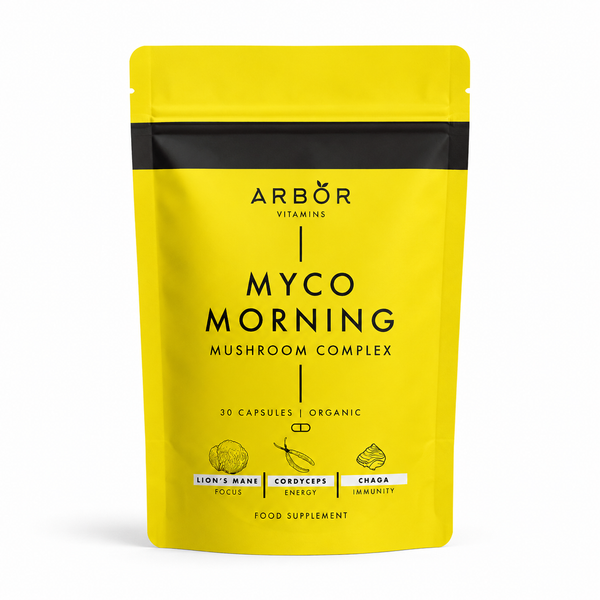
At Arbor Vitamins, our MYCO Morning blend is designed with transparent dosing and clean formulation principles in mind.
MYCO Morning contains Chaga, Cordyceps and Lion’s Mane. Because these mushrooms may be relevant for people taking certain medications, we recommend speaking to a GP, pharmacist or specialist before use if you take prescription medication, have a long-term health condition, are pregnant or breastfeeding, or are due to have surgery.

FAQs: Mushroom Supplements and Medication Interactions
Can I Take Reishi with Blood Thinners?
Reishi may affect platelet aggregation and blood clotting pathways, so caution is advised if you take blood thinners or antiplatelet medicines.
Speak to a GP, pharmacist or specialist before combining Reishi with medicines such as warfarin, apixaban, rivaroxaban, aspirin or clopidogrel.
Is Lion’s Mane Safe with Diabetes Medication?
Lion’s Mane may influence blood sugar regulation, although evidence in humans is still limited.
If you take insulin, gliclazide, metformin, GLP-1 receptor agonists or other diabetes medication, monitor your blood sugar carefully and seek professional advice before using Lion’s Mane supplements.
Can You Take Cordyceps with Blood Pressure Medication?
Cordyceps may influence blood pressure, blood sugar and blood clotting pathways. This means extra caution may be needed if you take blood pressure medication, diabetes medication, blood thinners or antiplatelet medicines.
If you are taking regular medication for high blood pressure, speak to a pharmacist or GP before starting Cordyceps.
Can Chaga Interact with Medication?
Chaga may affect blood sugar and immune activity. It is also naturally high in oxalates, which may be relevant for people with chronic kidney disease or a history of kidney stones.
Use caution with Chaga if you take diabetes medication, blood thinners, immunosuppressants or have kidney-related health concerns.
Do Mushroom Supplements Interact with Antidepressants?
There is limited evidence of direct interactions between mushroom supplements and antidepressants.
However, some mushroom compounds may theoretically affect liver enzymes such as CYP450, which are involved in processing many medicines, including some antidepressants. If you take antidepressants alongside other long-term medication, check with a pharmacist or GP before starting mushroom supplements.
Should I Stop Mushroom Supplements Before Surgery?
If you are due to have surgery, tell your surgical team about any mushroom supplements you take.
Some mushrooms may theoretically affect blood clotting, blood sugar, blood pressure or sedation. Your surgical team can advise whether you should stop supplements before the procedure and when it is safe to restart.
Are Mushroom Supplements Safe Long Term?
For many healthy adults not taking regular medication, mushroom supplements are generally well tolerated when used at the recommended dose.
However, long-term use may need extra caution if you take prescription medication, have kidney disease, have an autoimmune condition, are immunosuppressed, are undergoing cancer treatment, or use high-strength single-mushroom extracts.
Who Should Avoid Mushroom Supplements or Get Medical Advice First?
You should speak to a healthcare professional before taking mushroom supplements if you:
- Take blood thinners or antiplatelet medicines
- Use diabetes medication
- Take blood pressure medication
- Take immunosuppressants
- Are undergoing chemotherapy or cancer treatment
- Take sedatives, sleeping tablets or anxiety medication
- Have chronic kidney disease or a history of kidney stones
- Are pregnant or breastfeeding
- Are due to have surgery
Bottom Line: Do Mushroom Supplements Interact with Medications?
Yes, mushroom supplements can interact with certain medications, especially blood thinners, antiplatelet medicines, diabetes medication, blood pressure medication, immunosuppressants and some cancer treatments.
For most healthy adults who are not taking regular prescription medication, the risk of a serious interaction appears lower.
However, the risk depends on the mushroom species, dose, extract strength, medication, medical history and individual circumstances.
If you take regular medication or have a long-term health condition, speak to a GP, pharmacist or specialist before starting mushroom supplements. Understanding the species, dose and possible mechanism is the safest way to use mushroom supplements alongside medication.
References
- Memorial Sloan Kettering Cancer Center: Reishi Mushroom
- Memorial Sloan Kettering Cancer Center: Chaga Mushroom
- Memorial Sloan Kettering Cancer Center: Cordyceps
- Memorial Sloan Kettering Cancer Center: Maitake
- Memorial Sloan Kettering Cancer Center: Coriolus Versicolor / Turkey Tail
- Kikuchi Y, et al. Chaga mushroom-induced oxalate nephropathy. Clinical Nephrology. 2014.
- Dietary supplements and bleeding. National Library of Medicine.