For many people, taking a daily multivitamin is one of the simplest ways to support overall nutrition. A single capsule can contain a wide range of vitamins and minerals, designed to help fill potential gaps in the diet.
But as nutritional science has evolved, a growing question has emerged:
Is taking many nutrients at once the most effective way to deliver them?
Traditional multivitamins are typically formulated around convenience. They combine dozens of nutrients into a single tablet or capsule that can be taken once per day.
However, vitamins and minerals do not operate independently in the body. They interact with each other in complex ways that influence how they are absorbed and used.
For example:
• certain minerals compete for the same absorption pathways
• some nutrients support each other’s activity
• others are used by the body at different times of day
These interactions mean that the way nutrients are combined and delivered can influence how effectively they work.
Because of this, some newer supplement systems take a different approach. Rather than delivering all nutrients in a single dose, they separate nutrients across the day to better align with how the body processes them.
Read our Article to find out why you may be tired all the time
The TRINITY Multinutrient System is built around this idea. Instead of a single capsule, nutrients are divided into morning, day and night formulas, designed to support energy metabolism, nutrient absorption and recovery at different points in the day.
Understanding how these approaches differ helps explain an important principle in supplementation: the design of a multivitamin can matter just as much as the nutrients it contains.
Read about 6 reasons why your multivitamin might not be working.

Why Traditional Multivitamins Became Popular
Multivitamins were developed as a practical solution to a simple challenge: maintaining consistent nutrient intake in modern diets.
Even with a balanced diet, many people may not obtain optimal amounts of certain vitamins and minerals every day. Changes in food production, soil nutrient levels, dietary restrictions and busy lifestyles can all influence nutrient intake. Multivitamins emerged as a convenient way to help provide a broad range of essential micronutrients in a single daily supplement.
The concept quickly gained popularity. Instead of managing multiple supplements, a single capsule could contain a combination of nutrients such as vitamin A, vitamin C, vitamin D, B vitamins and trace minerals.
For many people, this approach offers clear advantages:
• convenience — one supplement instead of several
• consistency — a simple daily routine
• broad nutrient coverage
As a result, traditional multivitamins are typically formulated to include many nutrients in a single tablet or capsule, often delivering twenty or more vitamins and minerals at once.
This design prioritises simplicity and accessibility. A single supplement can support general nutrition without requiring detailed knowledge of individual nutrients or complex supplement schedules.
However, as nutritional science has progressed, researchers have increasingly studied how micronutrients interact with each other inside the body. These interactions can influence absorption, balance and biological activity.
For example, certain minerals share similar transport pathways in the digestive system. When multiple minerals are consumed together in large amounts, they may compete with each other for absorption. Other nutrients can influence the metabolism or balance of related nutrients once they enter circulation.
These interactions do not mean traditional multivitamins are ineffective. But they highlight an important point: the way nutrients are combined within a supplement can influence how efficiently they are used by the body.
Understanding this principle has led scientists and formulators to explore alternative ways of structuring multinutrient supplements.
Read about 6 reasons why your multivitamin might not be working.

The Problem With One-A-Day Multivitamins
Traditional multivitamins are typically designed to deliver a wide range of nutrients in a single daily tablet. While this approach prioritises convenience, it can create several challenges from a nutritional perspective.
One of the most important considerations is nutrient interaction.
Many vitamins and minerals share similar absorption pathways in the digestive system. When large numbers of nutrients are consumed together, they can compete for uptake.
For example:
• Calcium and magnesium can compete for absorption when taken in high amounts together.
• Zinc and copper influence each other’s balance in the body.
• Iron and zinc may compete for transport pathways in the intestine.
When many minerals are delivered simultaneously in a single tablet, these interactions may influence how efficiently certain nutrients are absorbed.
Another factor is dose limitation.
To fit many nutrients into one capsule, manufacturers often need to balance ingredient quantities carefully. This can sometimes result in nutrients being included at levels that prioritise formulation practicality rather than optimal dosing.
Finally, there is the question of nutrient timing.
The body’s nutritional needs are not constant throughout the day. Some nutrients support processes that are more active during waking hours, such as energy metabolism and cognitive function. Others are involved in processes that occur later in the day, including relaxation, nervous system regulation and cellular repair.
Delivering all nutrients at once may therefore not always align with how the body naturally utilises them.
These factors do not mean multivitamins have no value. For many people they remain a convenient way to support general nutrient intake.
However, they highlight an important principle in supplement design:
how nutrients are structured within a supplement can influence how effectively they are used by the body.
Read about 6 reasons why your multivitamin might not be working.

Why Nutrient Timing Matters
The human body does not use nutrients in the same way at all times of the day. Many physiological processes follow natural daily rhythms that influence how nutrients are absorbed, metabolised and utilised.
For example, nutrients involved in energy metabolism are often most relevant during waking hours, when the body is supporting cognitive function, physical activity and metabolic processes.
B vitamins play a key role in converting food into cellular energy. Certain minerals such as iron also support oxygen transport and metabolic activity throughout the day.
In contrast, other nutrients are more closely associated with nervous system regulation and recovery processes, which often become more active later in the day.
Magnesium, for example, contributes to normal muscle and nervous system function and is commonly associated with relaxation and recovery processes within the body.
These differences highlight an important concept known as nutrient timing.
Rather than delivering many nutrients simultaneously in a single dose, nutrient timing focuses on structuring supplements in a way that aligns more closely with how the body naturally uses different nutrients throughout the day.
This approach aims to:
• reduce unnecessary nutrient competition
• support absorption of compatible nutrients
• align supplementation with natural metabolic rhythms
As research into micronutrient metabolism has progressed, some supplement formulations have begun to incorporate these principles into their design.

The TRINITY Multinutrient System
Recognising the limitations of traditional one-a-day multivitamins, some supplement formulations have begun to adopt a different design philosophy: separating nutrients across the day to support absorption and reduce unnecessary nutrient competition.
The TRINITY Multinutrient System is built around this principle.
Rather than delivering all nutrients in a single capsule, TRINITY divides key vitamins and minerals into three complementary formulas taken at different points in the day.
This structure allows nutrients to be grouped more thoughtfully according to their biological roles and interactions.
The system consists of three stages:
Morning Formula
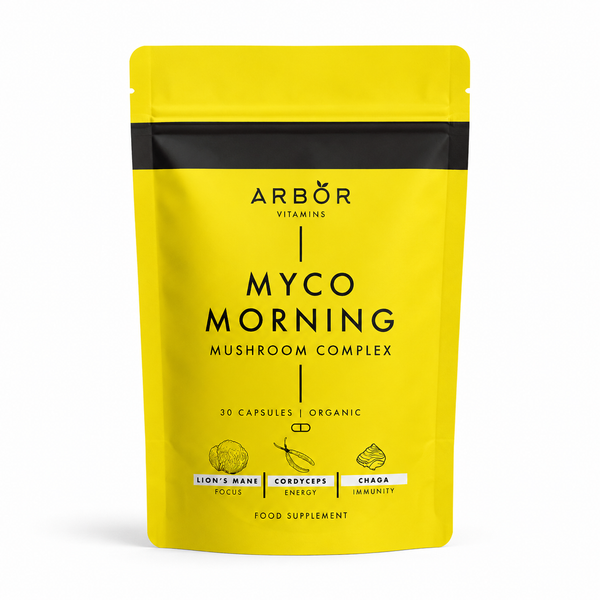
The morning formula focuses on nutrients that support energy metabolism and daytime physiological activity. These nutrients are involved in processes such as cellular energy production and cognitive function, helping to support the body during waking hours.
Day Formula
The day formula provides nutrients designed to support ongoing metabolic processes and nutrient balance throughout the day. By separating these nutrients from the morning and evening formulas, the system helps reduce unnecessary competition between minerals that may otherwise be consumed together.
Night Formula
The night formula focuses on nutrients associated with relaxation, recovery and nervous system regulation, which are often more relevant later in the day as the body transitions toward rest.
By separating nutrients into morning, day and night formulas, TRINITY aims to:
• reduce competing nutrient interactions
• support more efficient nutrient absorption
• align supplementation with natural metabolic rhythms
This approach reflects a broader principle emerging in nutritional science: how nutrients are structured within a supplement can be just as important as which nutrients are included.